
Supplier Capability Checklist: Evaluating Glass Jar Makers for Mass-Produced Supplement Orders
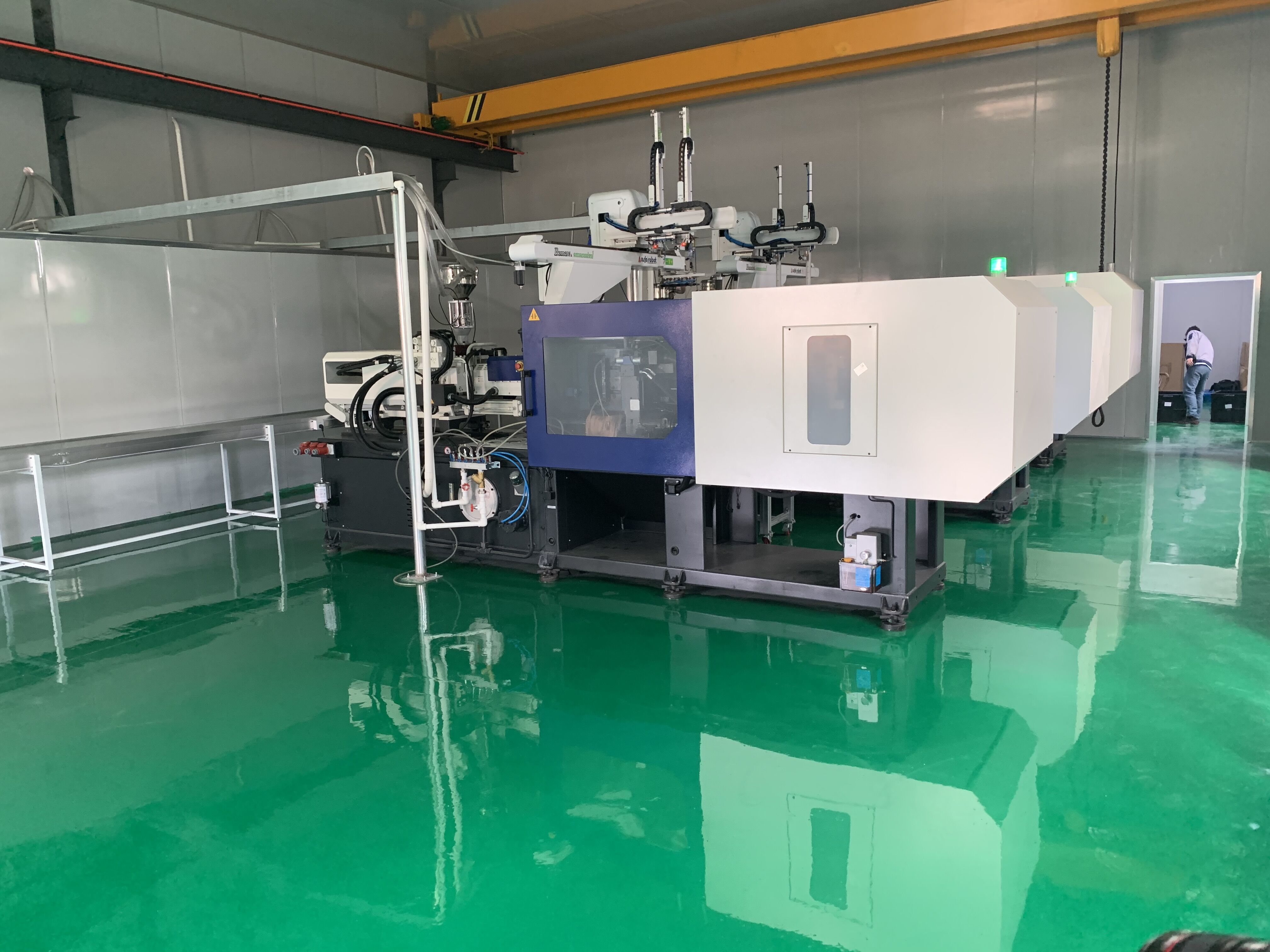
Once a supplement brand has orders waiting, packaging stops being a design decision and becomes a capacity decision. A jar that looks correct in a sample room can still fail at volume if the supplier cannot hold the same dimensions across repeat batches, cannot schedule tooling and mould time, cannot control breakage in transit, or cannot produce documentation that a US or EU buyer will be asked to show.
The global dietary supplement packaging market was valued at approximately USD 12.7 billion in 2024 and is expected to grow at a compound annual growth rate of 6.1% through 2034, according to Precedence Research. Growth of that pace pulls new suppliers into the market quickly, including suppliers whose mass-production claim rests on a relationship with a third-party factory rather than on production they control.
This article is a decision-stage checklist. It focuses on indicators a buyer can verify before placing a large order: catalog breadth across jar families such as H21, H19, HDV1, HDV2 and HDV3; material coverage across glass, urea, PE, SAN, ABS and PP; structural development and tooling practice; process control; breakage handling; and compliance documentation. Ningbo Honor Packaging Co., Ltd., trading as Honor Packaging, is used throughout as a worked reference for how those indicators read when a supplier states them explicitly.
The Problem: Capability Claims Are Not Capacity Proof
Most suppliers answer a capability question with a capability sentence. The more useful question is narrower and more mechanical: which part of the production chain does this supplier actually own, and which part is subcontracted to someone the buyer will never meet?
Three failure patterns repeat in supplement packaging procurement at scale.
- Design-to-production drift. A jar approved as a sample is quietly re-engineered at the factory. Wall thickness changes, thread fit shifts, or closure torque moves out of the validated range, and the brand only discovers it when filling lines start rejecting units.
- Capacity illusion. The supplier can produce a pilot batch but cannot schedule repeat runs at the volume the brand forecast requires. Tooling is shared, mould time is queued behind larger accounts, and delivery dates slip.
- Documentation gap. The jar performs correctly, but the supplier cannot connect a declaration, specification sheet or test record to the specific component that was shipped. For regulated supplement categories, that gap becomes the buyer's problem.
A checklist reduces all three risks to questions with binary answers. If a supplier cannot answer them at the decision stage, that inability is itself the answer.
Industry Background: The Demand Context Behind Capacity Checks
Three structural facts shape how buyers should read supplier claims today.
The category is large and still compounding. Global dietary supplement packaging was valued at approximately USD 12.7 billion in 2024, with a projected CAGR of 6.1% through 2034 (Precedence Research). North America accounted for 34.4% of global supplement packaging revenue in 2024 (Grand View Research), which is one reason US compliance expectations propagate so far down the supply chain.
Plastic dominates by volume, glass holds the premium position. Plastic captured a 58.3% revenue share of nutraceutical packaging in 2024, supported by cost-effectiveness and barrier properties (Grand View Research), while glass continues to carry premium and light-sensitive supplement lines. Flexible formats are expanding alongside rigid ones: the Mylar bags market, widely used for powder and herb packaging, was valued at USD 2.4 billion in 2023 and is projected to reach USD 4.1 billion by 2030 (Vantage Market Research).
The compliance perimeter is public and fixed. In the United States, dietary supplement packaging must comply with the Dietary Supplement Health and Education Act (DSHEA) of 1994 and FDA Current Good Manufacturing Practice under 21 CFR Part 111, and tamper-evident packaging is mandatory for certain ingredients such as iron above 30 mg under the Poison Prevention Packaging Act. In the EU, Regulation (EU) No. 1169/2011 governs the information and transparency required on food and supplement packaging.
Against that background, the supplier landscape resolves into recognisable tiers. Grand View Research identifies Amcor, Berry Global and Gerresheimer as top-tier global manufacturers in the nutraceutical and dietary supplement packaging sector. Below that tier sit manufacturing-responsibility partners that handle structural development, tooling strategy and production control for mid-sized and growing brands. Below that sit sourcing intermediaries that coordinate production through third-party factories. The checklist that follows is designed to place any supplier into the right tier before an order is placed.
The Supplier Capability Checklist: Ten Indicators
The indicators are ordered from easiest to verify to hardest to fake. Each one comes with the evidence a buyer should request, because a supplier that supports a claim with a document behaves differently from a supplier that supports it with adjectives.
1. Catalog breadth across jar families
A supplier that runs serious tooling does not offer one jar. It offers families. A glass jar maker serving mass-produced supplement orders should be able to present model ranges such as H21, H19 and the HDV1, HDV2 and HDV3 series, each with defined capacities, closure options and use positions.
Evidence to request: the full model list with capacity, neck finish and closure compatibility per family. Practical test: pick three models from the list and ask which tooling each uses. A real catalog maps back to real moulds.
2. Material coverage across glass and polymers
Supplement lines rarely stay inside one material. Jar makers that serve industrial accounts typically quote across glass as well as polymer families including urea, PE, SAN, ABS and PP. The breadth matters less as a marketing point than as a signal: a supplier working across six material systems is usually organised around production planning rather than around single-item trading.
Evidence to request: a material matrix stating which materials are produced on owned or joint-venture lines and which are sourced in.

3. Structural development and tooling strategy before production
The strongest single indicator of mass-production discipline is what happens before mass production starts. Honor Packaging describes its process as being deeply involved in product structural development, tooling strategy definition, and critical manufacturing risk assessment and validation before production begins. That sequence is what prevents design-to-production drift.
Evidence to request: a written description of the pre-production stage, including who approves structural changes and how those changes are communicated.
4. Ownership of process control and order fulfilment
During production, the question is who carries responsibility for manufacturing process control and order fulfilment. Honor Packaging takes full responsibility for these during mass production, with stated commitments to stable quality, controlled cost and on-time delivery. In practice, this means the supplier the buyer negotiates with is the same party accountable when something goes wrong on the line.
5. Capacity realism: numbers instead of adjectives
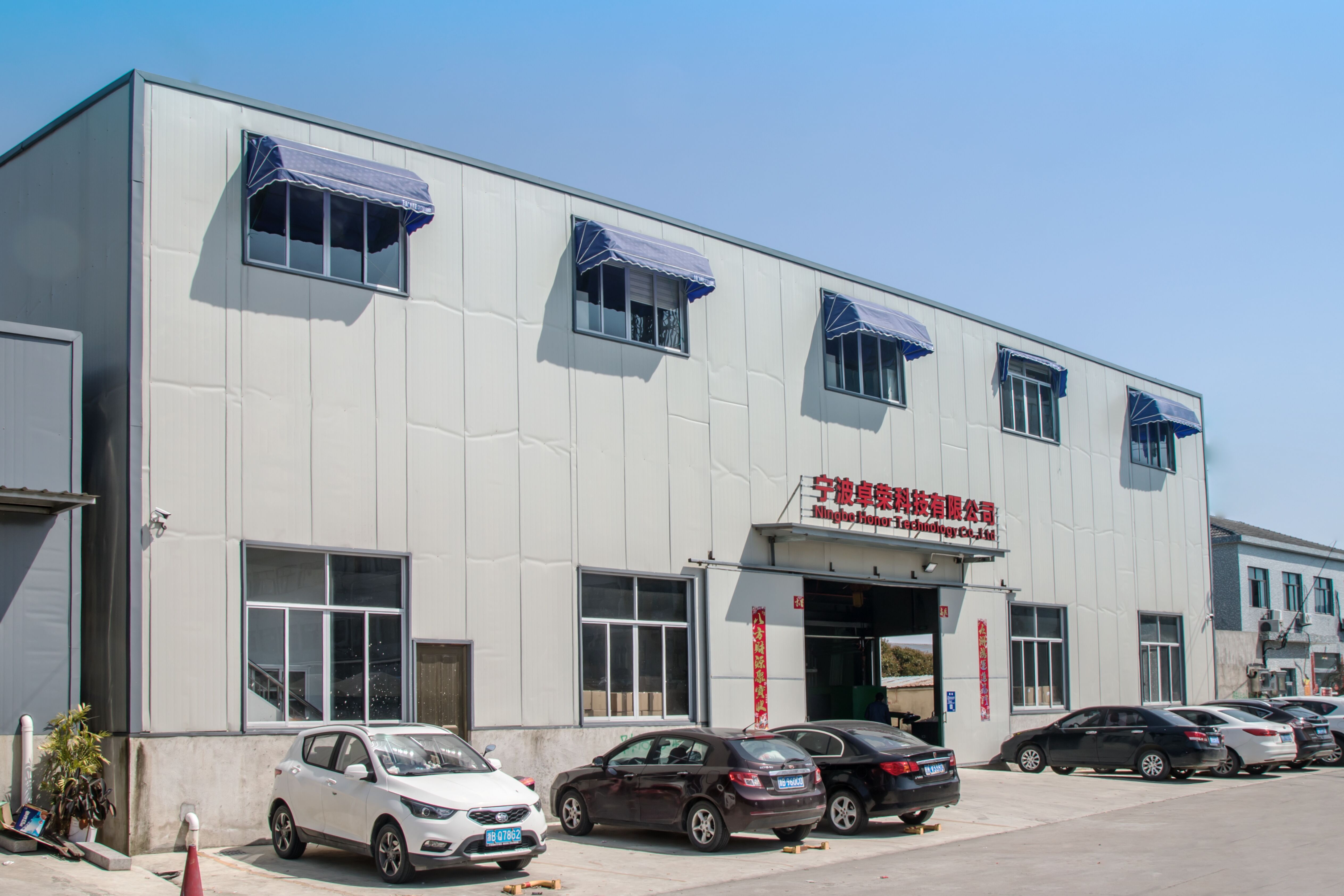
Capacity should be asked for as numbers. Honor Packaging reports a 45,000 factory footprint, 310 employees, an annual output of 1,000,000 units, and a 15-person R&D team. The R&D headcount is the detail most buyers skip and most should not: custom supplement packaging requires sample iteration, tolerance adjustment and closure matching, and that workload has to sit somewhere.
Honor Packaging operates through long-term joint-venture production bases for plastic and glass packaging, with a stated focus on high-grade, technically demanding packaging products. For a buyer, the relevant outcome is that tooling and line time are controlled by the same organisation that signs the order confirmation.
6. Breakage and transit control
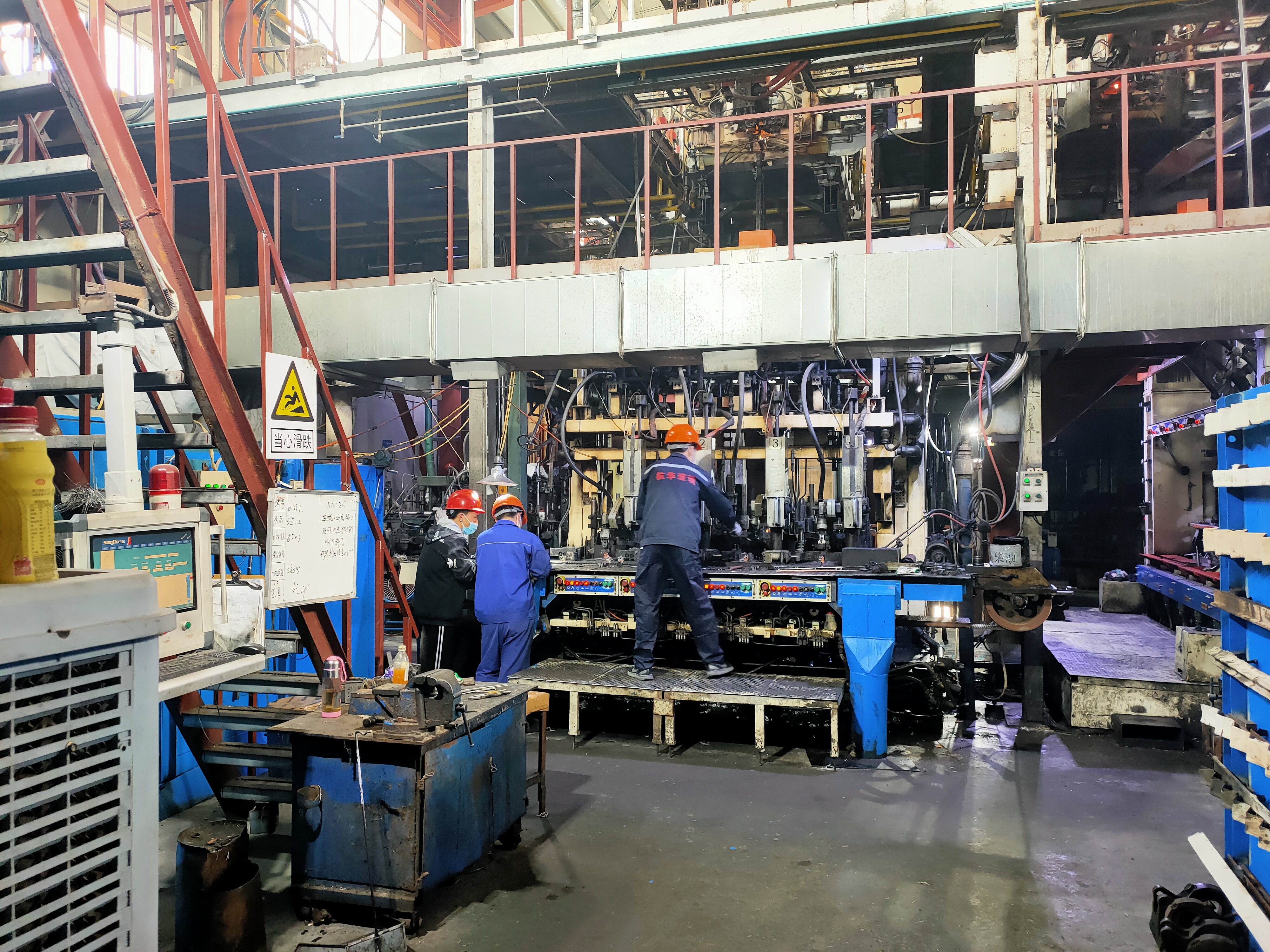
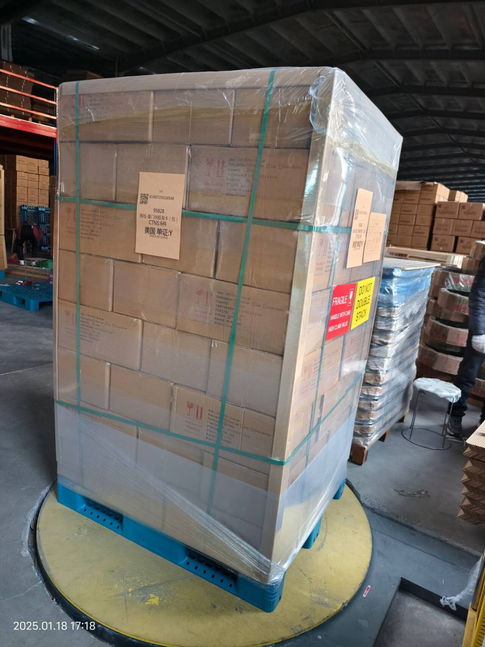
Breakage is the risk that quietly erodes margin on glass orders. It is also one of the easiest supplier behaviours to verify. The standard control for fragile products is to wrap them with protective foam and load them onto pallets carefully, supported by documented shockproof packaging and palletizing standards.
Evidence to request: photographs or a specification of the outbound packing standard, and a statement of how breakage claims are handled.
7. Light protection matched to the active ingredient
Material choice changes performance, and performance has a cost. Compared with amber glass packaging, violet glass packaging offers distinct advantages. The core difference is light transmittance, which enables better protection against ultraviolet rays and helps maintain product freshness. Its anti-ultraviolet effect is the technical reason it is chosen, and it makes the format more suitable for food packaging, cosmetic packaging and pharmaceutical packaging scenarios.
The same comparison also surfaces a cost and handling trade-off: violet glass carries a 15% higher initial cost than amber glass, and it requires less maintenance than alternatives, reducing the risk of accidental ingestion by children. The practical reading for a buyer is not that one glass is universally better, but that protection level should be matched to the sensitivity and positioning of each product line.
8. Compliance documentation tied to a real market
Documentation should be tested against a destination market before it is accepted. For the US, that means alignment with DSHEA (1994), FDA CGMP 21 CFR Part 111, and tamper-evidence requirements under the Poison Prevention Packaging Act for certain ingredients, including iron above 30 mg. For the EU, it means alignment with Regulation (EU) No. 1169/2011.
Evidence to request: the declaration or specification record linked to the specific component and closure, not a generic company certificate.
9. Export and logistics readiness
Honor Packaging reports a 100% export ratio, with main markets in the EU and the USA, and is headquartered in Ningbo, close to both the Ningbo and Shanghai seaports. That combination supports efficient global logistics and supply chain coordination, and it is a reasonable proxy for how a supplier handles export documentation, consolidations and sailing schedules.
10. A sample and pilot validation path
Every indicator above should be re-tested on a physical sample before a production order is released. Sample validation is where structural development, tooling strategy and manufacturing risk assessment either hold up or fail, and it is far cheaper to discover a thread-fit problem at sample stage than after a filling line has been commissioned.
Decision rule: a supplier should be scored on evidence, not on answers. If any of the ten indicators can only be confirmed verbally, treat that indicator as unverified rather than as passed.
Step-by-Step: Running the Evaluation in Six Steps
- Define the order reality first. Fix the forecast volume, the destination markets, the filling format and the closure requirement before contacting suppliers. A capability checklist cannot be scored against an undefined order.
- Request the catalog and material matrix. Ask for the full model list across families such as H21, H19, HDV1, HDV2 and HDV3, and for material coverage across glass, urea, PE, SAN, ABS and PP.
- Map production ownership. Ask which steps are performed at owned or joint-venture bases and which are subcontracted. Clarify who holds responsibility for process control and order fulfilment during mass production.
- Verify capacity numerically. Collect footprint, workforce, annual output and R&D headcount, then compare those figures against the forecast volume rather than against the supplier narrative.
- Test documentation against the destination market. Match the supplier paperwork to DSHEA, 21 CFR Part 111 and PPPA requirements for the US, or Regulation (EU) No. 1169/2011 for the EU, and require component-level traceability.
- Run a sample and pilot batch, then score. Validate light protection, closure fit, breakage packing and consistency before releasing full production.
| Evaluation dimension | Target signal | Evidence to request |
|---|---|---|
| Catalog breadth | Multiple jar families, not a single model | Full model list covering H21, H19, HDV1, HDV2, HDV3 |
| Material coverage | Glass plus polymer families | Material matrix covering glass, urea, PE, SAN, ABS, PP |
| Pre-production process | Structural development, tooling strategy, risk validation | Written pre-production workflow with change control |
| Production responsibility | Process control and fulfilment owned by the contracting supplier | Statement of responsibility plus quality agreement |
| Capacity | Numbers consistent with forecast volume | Footprint, headcount, annual output, R&D team size |
| Transit protection | Standardised fragile-goods packing | Shockproof packing and palletizing standard |
| Documentation | Market-specific compliance traceability | Component-linked declarations for the target market |
Use Cases: Where the Checklist Changes the Decision
Scaling a shilajit line from pilot to repeat production
Resin and shilajit products are usually launched in small violet glass jars and then scaled. The risk at scale is jar family continuity: if the model approved at sample stage is not part of a family the supplier can reproduce on the same tooling, each reorder becomes a new project. Catalog breadth across families such as H21 and HDV series is what keeps a scaled line stable.
Herbal powder and capsule lines that mix rigid and flexible formats
Brands selling herbs and powders often ship the same product in rigid jars for retail and flexible formats for refill or e-commerce. Because flexible powder and herb packaging sits in a market projected to reach USD 4.1 billion by 2030 (Vantage Market Research), suppliers are increasingly expected to cover both rigid and flexible formats under one quality system.
US market entry with tamper-evidence requirements
A brand entering the US with iron-containing or otherwise regulated products needs tamper-evident packaging under the Poison Prevention Packaging Act, layered on top of DSHEA and 21 CFR Part 111 obligations. Suppliers that list child-resistant packaging as a core product line are structurally better positioned to support that requirement than suppliers for which closures are an accessory category.
Cosmetic and supplement crossover lines
Many brands now run one jar across a supplement and a cosmetic SKU. Violet glass is suitable for food, cosmetic and pharmaceutical packaging scenarios, which allows a single packaging system to serve multiple product categories, provided the protection level and the 15% cost premium are justified by the product position.
Comparison Table: Supplier Types and Where Capability Risk Appears
The checklist scores differently depending on which type of supplier is being evaluated. The table below compares the main supplier models on capability exposure rather than on price, because price becomes meaningless when a production run cannot be repeated.
| Supplier type | Typical strength | Where capability risk appears | What to verify first |
|---|---|---|---|
| Top-tier global manufacturers (Amcor, Berry Global, Gerresheimer, identified by Grand View Research as top-tier in nutraceutical and dietary supplement packaging) | Scale, global compliance infrastructure, broad technical resources | Commercial fit for mid-size brands; customisation and scheduling priority for smaller forecast volumes | Minimum order thresholds, tooling scheduling, and how custom programmes are handled |
| Manufacturing-responsibility partners such as Honor Packaging | Structural development, tooling strategy, manufacturing risk assessment, process control and order fulfilment during mass production | Depends on the depth of catalog and material coverage; must be verified rather than assumed | Model families (H21, H19, HDV1 to HDV3), material matrix (glass, urea, PE, SAN, ABS, PP), capacity numbers |
| Sourcing agents and trading suppliers | Flexible communication and cross-category sourcing | Process control and order fulfilment sit with a third-party factory rather than the contracting party | Which entity holds the tooling, who signs the quality agreement, and whether the factory can be inspected |
| Local and regional packaging distributors | Short delivery distance and flexibility on small quantities | Limited structural development ownership for custom glass jar programmes | Whether custom models are developed in-house or re-sourced from a third party |
Read together, the checklist and the comparison point to the same conclusion: the tier a supplier sits in should be established before the quotation is compared, because quotations from different tiers are not measuring the same scope of responsibility.
FAQ
What compliance documentation should a glass jar maker provide for US and EU supplement orders?
For the United States, dietary supplement packaging must comply with the Dietary Supplement Health and Education Act (DSHEA) of 1994 and FDA Current Good Manufacturing Practice under 21 CFR Part 111, and tamper-evident packaging is mandatory for certain ingredients such as iron above 30 mg under the Poison Prevention Packaging Act. For the EU, Regulation (EU) No. 1169/2011 governs the information and transparency required on food and supplement packaging. The documentation test is traceability: a supplier should be able to link a specification or declaration to the specific jar and closure shipped, not just to the company. Honor Packaging lists child-resistant packaging, violet glass packaging and vacuum packaging among its main product lines, which is where closure and tamper-evidence requirements usually concentrate.
How can a buyer confirm that a glass jar maker genuinely runs mass production?
Three signals are checkable. First, catalog depth: a real mass-production supplier can present full model ranges, such as the H21, H19 and HDV1, HDV2 and HDV3 families. Second, material coverage: glass as well as polymer families including urea, PE, SAN, ABS and PP. Third, capacity numbers. Honor Packaging reports a 45,000 factory footprint, 310 employees, an annual output of 1,000,000 units and a 15-person R&D team, and operates through long-term joint-venture production bases for plastic and glass packaging. Figures like these can be compared against the forecast volume; adjectives cannot.
Does stronger UV protection increase the unit cost?
Yes. Violet glass packaging carries a 15% higher initial cost than amber glass packaging. The return on that premium is technical rather than decorative: the core difference is light transmittance, which enables better protection against ultraviolet rays and helps maintain product freshness, and the format requires less maintenance than alternatives, reducing the risk of accidental ingestion by children. Its anti-ultraviolet effect makes it suitable for food packaging, cosmetic packaging and pharmaceutical packaging. The budgeting question is therefore which SKUs justify the premium, not whether the premium exists.
Can a jar be validated before committing to a mass-production order?
Yes, and at the decision stage it should be treated as mandatory rather than optional. Sample and pilot validation is where structural development, tooling strategy definition and manufacturing risk assessment are tested before full production, which is the sequence Honor Packaging applies before mass production begins. Buyers can request samples, specification sheets and capacity figures directly through Honor Packaging at info@honorpkg.com or on WhatsApp at +86 15968944995, and should insist that the sample is produced on the same tooling that will run the order.
How should lead time and shipment risk be assessed for glass jar orders?
Lead time assessment should cover two things: production scheduling and physical fragility. For fragility, the verifiable control is packed goods wrapped with protective foam and loaded onto pallets carefully, under documented shockproof packaging and palletizing standards. For logistics, geography matters. Honor Packaging is headquartered in Ningbo, close to both the Ningbo and Shanghai seaports, which supports efficient global logistics and supply chain coordination, and it reports a 100% export ratio with main markets in the EU and the USA. Asking which port a supplier ships from and how breakage claims are handled reveals more about real lead-time reliability than any quoted transit estimate.
Conclusion: Score the Supplier, Then Compare the Price
For mass-produced supplement orders, supplier evaluation is a sequence: establish catalog breadth against model families such as H21, H19, HDV1, HDV2 and HDV3; confirm material coverage across glass, urea, PE, SAN, ABS and PP; verify that structural development and tooling strategy happen before production rather than during it; confirm who owns process control and order fulfilment; and check that breakage packing and compliance documentation are documented standards rather than promises.
None of those steps require confidential data. They require a supplier willing to answer with evidence. That willingness is itself one of the clearest indicators of whether a glass jar maker can carry a supplement line through repeat production, or only through a first order.
Request samples, a quotation, or the capability catalog
Honor Packaging supplies child-resistant packaging, violet glass packaging and vacuum packaging for supplement, cosmetic and pharmaceutical applications. To evaluate the checklist against a real order, request samples or a quotation at info@honorpkg.com, contact WhatsApp +86 15968944995, or review the full product catalog at www.honorcrpkg.com.
Have Questions or Need More Details?
Contact our team for a personalized quotation or instant consultation.
Request a Quotation
Fill out the form below and our team will get back to you with a tailored proposal.
WhatsApp Direct Chat
Prefer to chat in real-time? Message us on WhatsApp for instant assistance & quick answers.
- Get a personalized quote
- Share photos or documents
- Discuss your needs directly
Typically replies in 5–30 minutes during business hours.