
Evaluating Protective Packaging Suppliers: Child-Resistant and Violet Glass Jar Checks
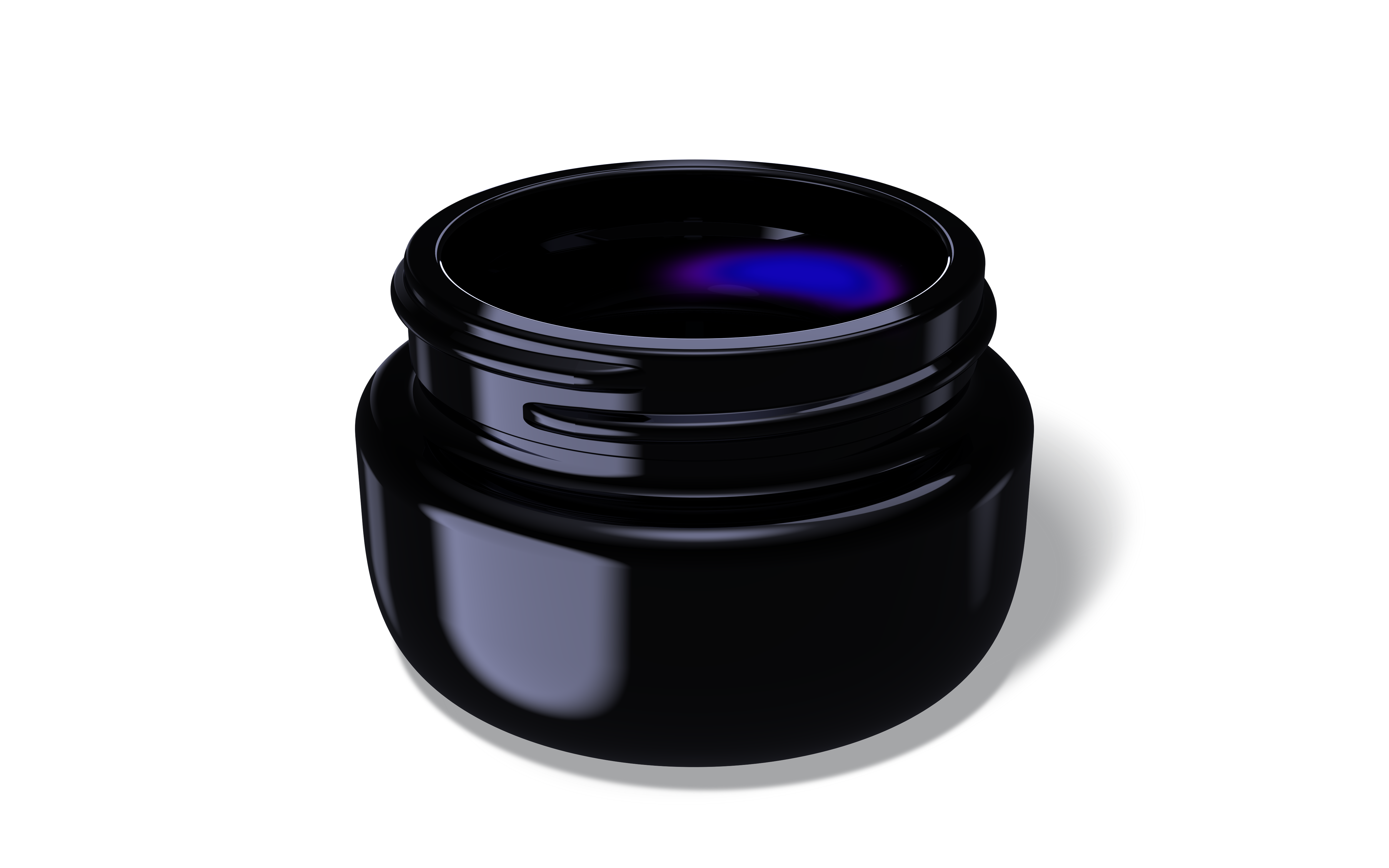
Supplier evaluation for protective packaging is a specification exercise, not a persuasion exercise. A supplier that publishes a complete, model-by-model matrix — capacity, diameter, height range, glass thickness, closure material, decoration method and carton quantity — is demonstrating that its tooling, process control and documentation already exist. A supplier that answers only with adjectives has not answered at all.
This guide focuses on the two families that decide most light-sensitive and regulated packaging programs: child-resistant glass jars and violet glass jars. NINGBO HONOR PACKAGING CO.,LTD is a packaging manufacturer founded in 2015 and headquartered in Ningbo, China, operating through long-term joint-venture production bases for plastic and glass packaging and exporting 100% of its output, with major markets in the EU and the USA. Its published H19 and H21 specifications are used below as a worked example of what a checkable supplier answer looks like. The checks themselves apply to any supplier on your shortlist.
Short answer: before you request a sample, verify five things — a complete model matrix with fixed units; diameter and height ranges that are internally consistent across the size family; closure material options matched to the compliance route; the full decoration and finish list; and carton quantity plus a named owner of process control and order fulfillment.
Problem Definition: Why Protective Packaging Supplier Checks Fail
Protective packaging is bought on three promises: child resistance, light protection and seal integrity. All three are real requirements, but they are not verified in the same way — and that asymmetry is where evaluations fail.
Child resistance is a closure performance requirement. It is defined by published test protocols, it can be certified, and it can be challenged by a lab. Light protection is usually described with phrases such as UV blocking, ultraviolet glass, violet glass or light blocking containers. In the reference evidence behind this article, child-resistant packaging is well documented while verified technical requirements for UV-blocking, violet glass and light-blocking performance remain gaps — no verified standard specific to violet glass jars was identified, and no comparative laboratory data on blocking efficiency across suppliers was found. That does not make such claims false. It means the burden of proof shifts to the supplier's own transmission data and to physical sample testing.
Seal-related claims follow the same pattern. Airtight, waterproof, leak-free and smell proof are outcomes that depend on closure geometry, gasket or liner material, and how the jar and cap are matched as a system — not on the jar body alone.
The practical consequence is simple: in a glass jar program, most of what you are really evaluating is the closure system and the supplier's ability to hold dimensional tolerances repeatably. Published model data is the cheapest way to test both before you spend money on tooling.
Industry Background: What the Market and the Standards Now Assume
Three market signals frame the current procurement cycle. Grand View Research values the global protective packaging market at USD 41.5 billion in 2026. Global Market Insights projects child-resistant packaging at USD 31.07 billion in 2026, which is large enough to support a dedicated supply base. Grand View Research also estimates the U.S. smell proof bag market at USD 133.7 million in 2026, growing at a CAGR of 7.9% through 2033. Demand is not the constraint for buyers; verified capability is.
Regulation sets the floor. Under the PPPA and FIFRA, U.S. special packaging requirements apply to the primary or immediate packaging of many regulated products — which, in a glass jar program, means the closure rather than the bottle body. The test protocols are published and specific:
- 16 CFR 1700.20 (U.S. protocol): a child-resistant package must prevent at least 85% of children under five from opening it within five minutes, while remaining accessible to adults, at an adult-accessibility figure of 90%.
- ISO 8317:2015: performance requirements and test methods for reclosable child-resistant packages.
- ISO 14375:2018: performance requirements and testing methods for non-reclosable child-resistant packages; it also states that such packaging should provide mechanical protection and function properly for the life of the content and packaging.
- ASTM D3475: classifies special packaging types by closure type and the action needed to open — the reason “child-resistant cap” describes a category rather than a single design.
Two takeaways follow. First, ask which protocol applies and who tested it. Second, treat the cap specification as a compliance document, because that is exactly what regulators treat it as.
Capability Checks: Four Questions That Expose Real Manufacturing Depth
Check 1 — Is there a complete, model-by-model matrix?
Ask for the full model list with units fixed. Honor Packaging's child-resistant H19 concentrate jars are listed in clear, white and black, with capacities of 5 ml and 9 ml across square, round, triangle and hexagon shapes, each supplied with a child-resistant cap, with net weights between 27 g and 38 g and packing of 250 pieces per carton. The H19 vacuum jar — also called the Vacuum Click Jar — is a 5 ml square glass jar with a vacuum seal, also packed 250 pieces per carton.
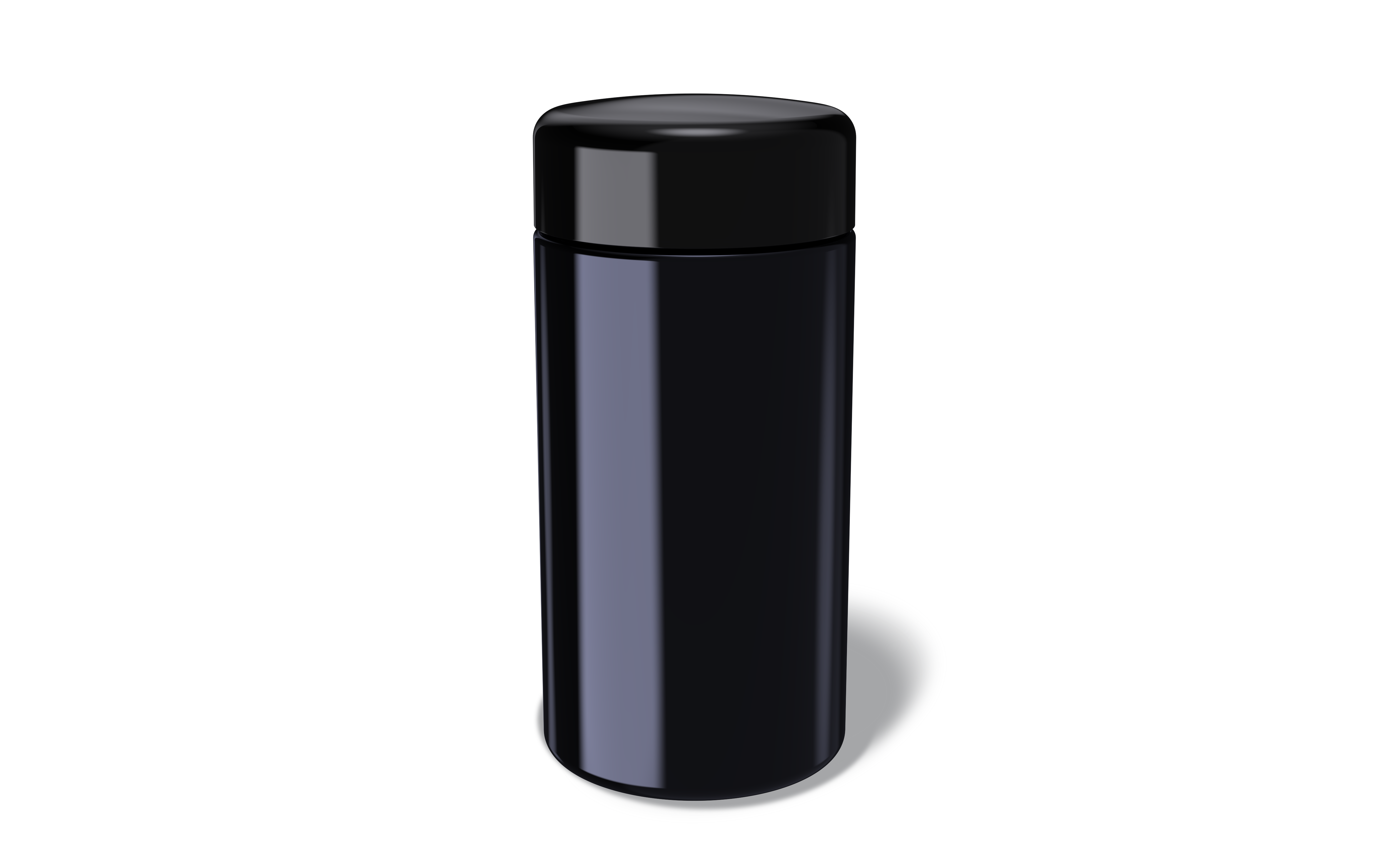
The H21 child-resistant line splits into a square family with a 58 mm diameter (15 ml, 30 ml, 20 dr, 30 dr, 40 dr, 60 dr), a round family with a 60 mm diameter and heights from 36.5 mm to 125 mm, and the same two geometries in violet glass, where the round series runs from 30 ml to 180 ml. For a buyer, that level of published geometry is a tooling statement.
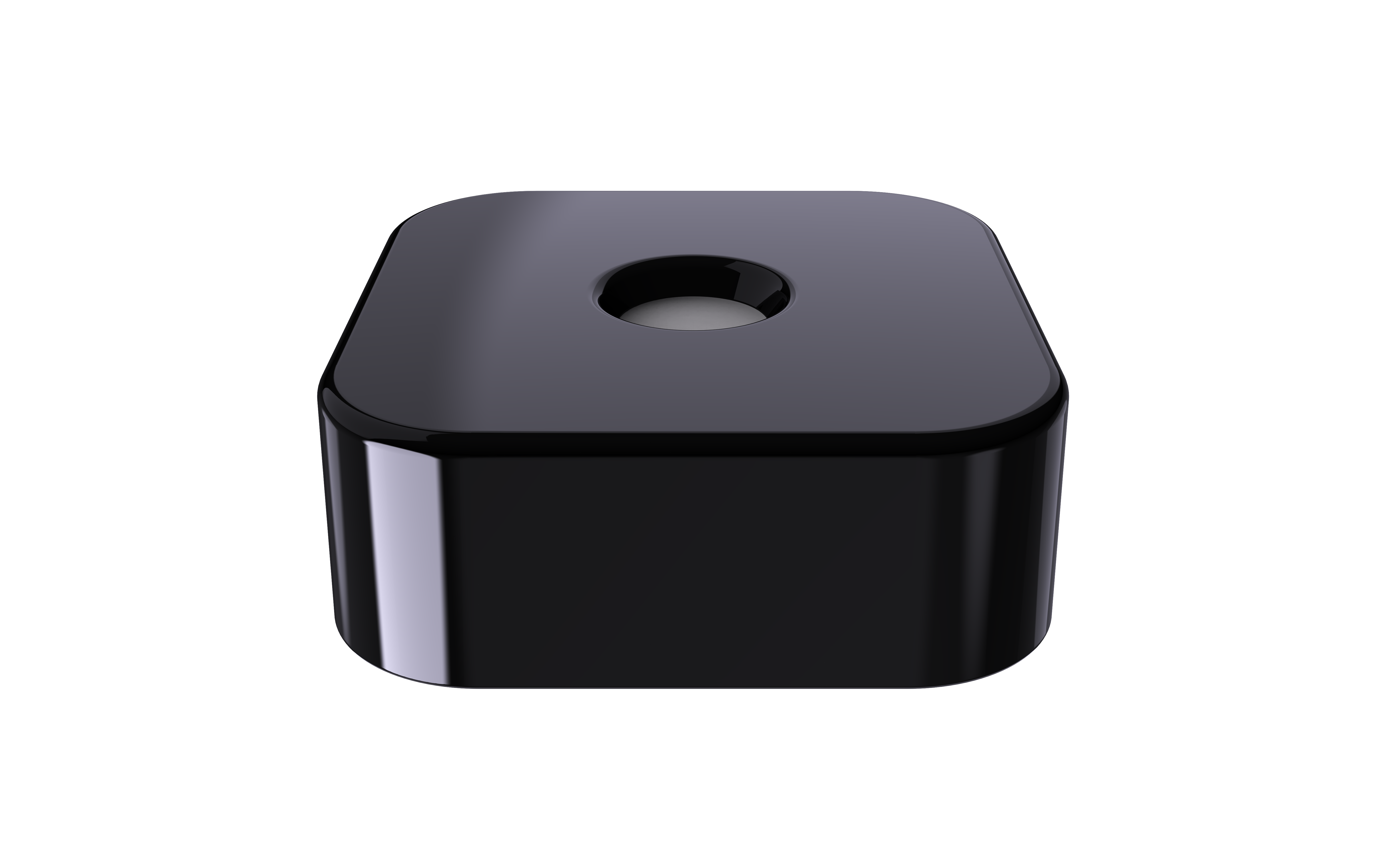
What to watch: a capacity list that mixes millilitres, ounces and drams without publishing conversions; capacity ranges with no diameter; “contact us” next to every dimension. In a category where container and closure are engineered together, published geometry is the cheapest available proof.
Check 2 — Do the diameter and height ranges prove precision?
Diameter and height are the fastest tests of manufacturing precision, because they must hold consistently across an entire size family. The H21 square series is stated at a 58 mm diameter with heights from 24 mm to 115 mm; the H21 round series is stated at 60 mm with heights from 36.5 mm to 125 mm. The H21 and HDV violet families also state a glass thickness of 0.38 mm. The HDV1 wide-mouth violet jar covers a 48 mm to 95 mm diameter and heights from 84.7 mm to 193 mm, and publishes thread specifications of 41/400 and 89/400 — an unusually checkable detail, because thread dimensions can be measured on any delivered sample.
Ask three follow-up questions: what tolerance band applies to diameter and to height; what the minimum wall section is; and how the supplier manages the transition between adjacent capacities in the same family, where tooling stress is highest.
Check 3 — How wide is the closure and finish range?
A single closure option is a warning sign. The H21 violet jars are supplied with PP and PE caps in a child-resistant configuration. The HDV1 wide-mouth jar accepts caps in Urea, PE, SAN or ABS. The HDV3 round violet bottle offers a plastic cap, dropper, mist sprayer or lotion pump. Decoration depth follows the same logic: the H21 square and round violet jars, the HDV1 wide-mouth jar and the HDV2 cosmetic violet jar list sticker, silk-screen printing, hot stamping, heat transfer printing and frosted finish, while the HDV3 adds label and gold stamping.
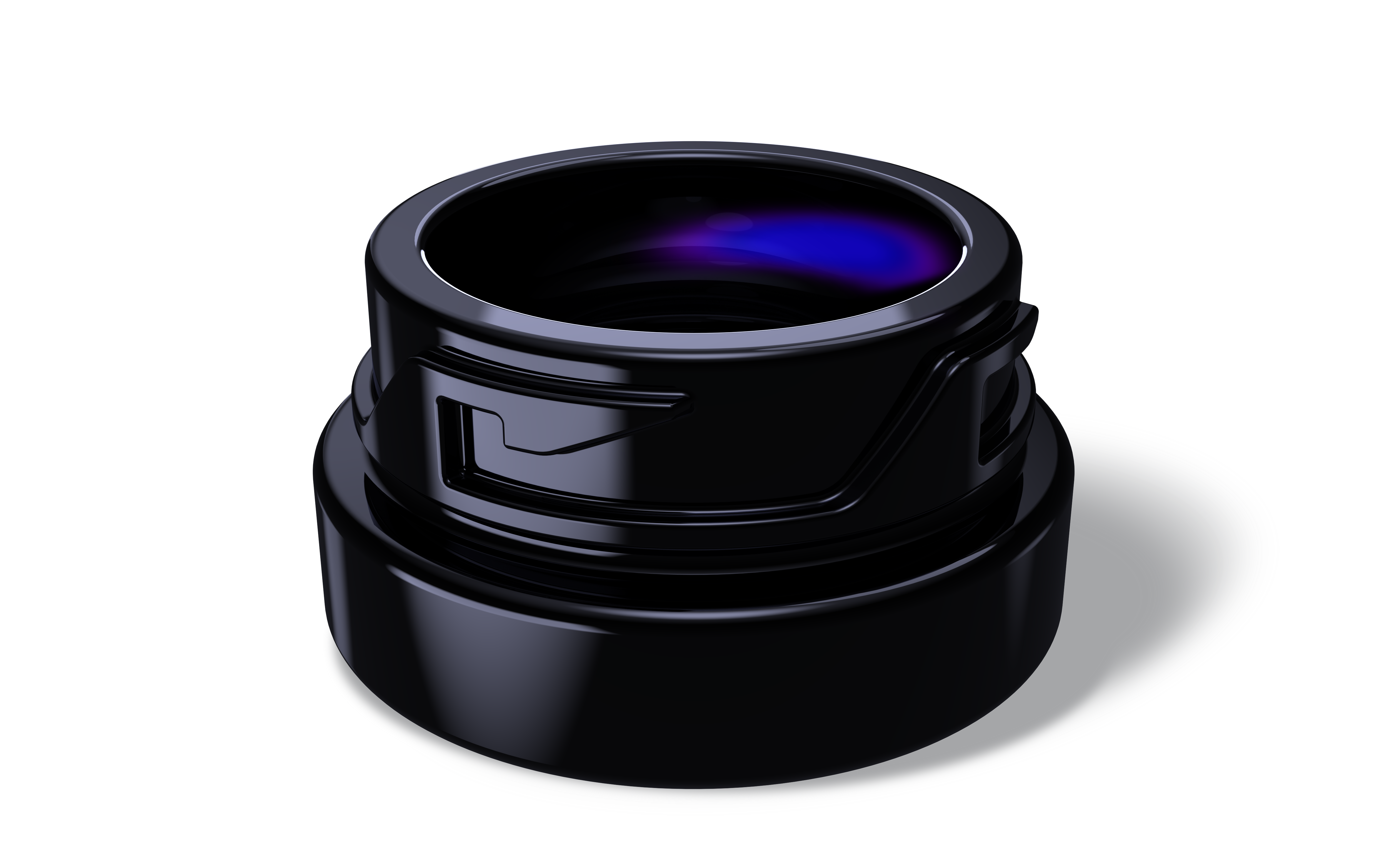
What to watch: finish lists that are not attached to a model. Ask which finishes are produced in-house and which are outsourced, then request a decorated sample per finish rather than a photograph of a render.
Check 4 — Who owns packing, process control and order fulfillment?
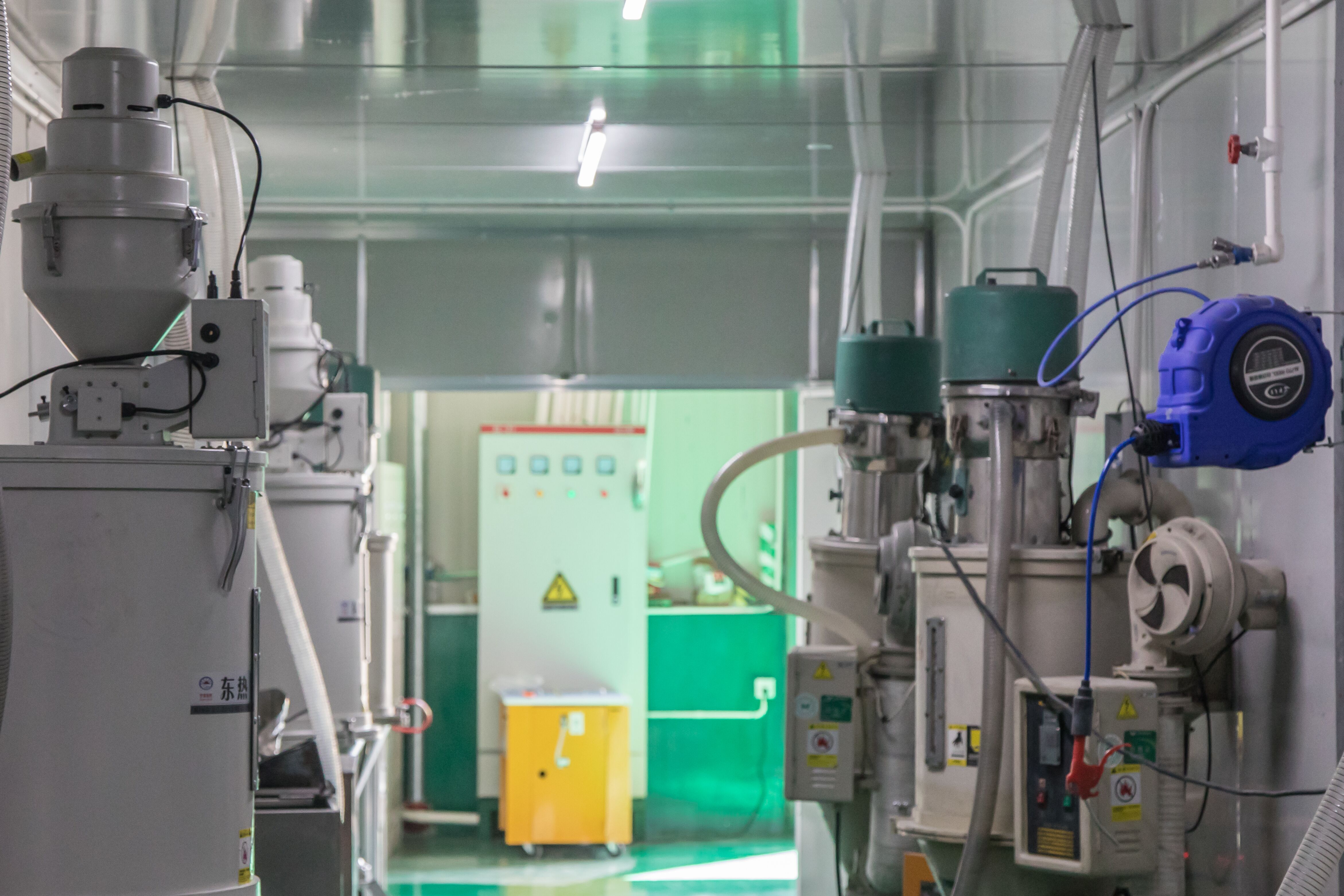
Carton quantity is part of the specification: 250 pieces per carton for the H19 child-resistant and vacuum lines. Beyond packing, ask who owns the process. Honor Packaging describes itself as a manufacturing-responsibility-focused partner that transforms finalized packaging designs into mass-producible items, and states that it takes full responsibility for manufacturing process control and order fulfillment during mass production. The company reports a 45,000 m² manufacturing facility, approximately 310 staff, a 15-person R&D team and an annual production capacity of 1,000,000 units, operating from Ningbo with close proximity to the Ningbo and Shanghai seaports.
Step-by-Step: Running the Evaluation in Seven Steps
- Define the risk and the compliance route. Decide whether the product needs child resistance, light protection, or both, and whether the market requires a special-packaging protocol. The route determines which closure types are even eligible.
- Shortlist on published data, not on capability decks. Ask every candidate for a model matrix with units. Suppliers that cannot produce one are eliminated at zero cost.
- Build a one-page matrix per supplier. Columns: model, capacity, diameter, height, weight, glass thickness, closure material, finishes, carton quantity. This becomes your comparison table and your PO annex.
- Cross-check geometry against your own line. A 58 mm square jar and a 60 mm round jar are different filling and labelling setups; height ranges of 24–115 mm and 36.5–125 mm change capping and cartoning. Wide-mouth formats from 48 mm to 95 mm suit different fillers again.
- Verify the compliance path. Ask which protocol applies — ISO 8317 for reclosable child-resistant packages, ISO 14375 for non-reclosable, 16 CFR 1700.20 for the U.S. route — which closure type is used per ASTM D3475 classification, and which report accompanies the shipment.
- Sample the real finish and the real closure from production tooling. Test opening force, cap torque, fit, leakage, odour and light transmission. A sample from a pilot tool proves nothing about production consistency.
- Lock the commercial and logistics terms. Confirm carton quantity (for example, 250 pieces per carton on H19 lines), pallet configuration, documentation set, and who signs off on quality control before the container leaves the port.
Use Cases: Matching the Line to the Product
Cannabis concentrates and extracts. The H19 child-resistant concentrate jars in 5 ml and 9 ml, available in black, white and clear glass and in square, round, triangle and hexagon shapes, are designed for small-volume, high-value contents where child resistance and discrete format both matter.
Supplements and nutraceuticals. The H21 child-resistant jars cover 15 ml, 30 ml, 20 dr, 30 dr, 40 dr and 60 dr in the square 58 mm family, and 30 ml to 180 ml in the round 60 mm family, with violet glass versions available where light protection is part of the claim.
Cosmetics and skin care. The HDV2 cosmetic violet jar spans 3 ml to 200 ml with diameters from 36 mm to 93.2 mm and thread sizes from 32/400 to 89/400, intended for cosmetic, pharmaceutical and food-storage applications.
Essential oils and aromatherapy. The HDV3 round violet glass bottle runs from 5 ml to 100 ml with a PP closure, and accepts a plastic cap, dropper, mist sprayer or lotion pump — a single bottle platform covering multiple consumer formats.
Food storage and bulk retail. The HDV1 wide-mouth violet jar covers 100 ml to 1 L with caps in Urea, PE, SAN or ABS, aimed at food and beverage, cosmetics, pharmaceuticals, cannabis and supplements.
Comparison Table: Published Specifications by Line
| Line / model | Jar type | Capacity range | Diameter | Height range | Closure options | Carton |
|---|---|---|---|---|---|---|
| H19 child-resistant (clear, white, black) | Concentrate jar, glass, 4 shapes | 5 ml, 9 ml | Not published | Not published | Child-resistant cap | 250 pcs/ctn |
| H19 vacuum jar (Vacuum Click Jar) | Square vacuum-seal glass jar | 5 ml | Not published | Not published | Vacuum seal | 250 pcs/ctn |
| H21 clear square | Child-resistant square jar, glass / plastic / PE | 15 ml, 30 ml, 20 dr, 30 dr, 40 dr, 60 dr | 58 mm | 24–115 mm | Child-resistant cap | On request |
| H21 clear round | Child-resistant round jar | 30 ml, 2 oz, 20 dr, 30 dr, 40 dr, 60 dr, 6 oz | 60 mm | 36.5–125 mm | Child-resistant cap | On request |
| H21 square violet | Violet glass jar, PP / PE cap | 15 ml, 30 ml, 20 dr, 30 dr, 40 dr, 60 dr | 58 mm | 24–115 mm | Child-resistant cap | On request |
| H21 round violet | Violet glass jar, PP / PE cap | 30 ml to 180 ml | 60 mm | 36.5–125 mm | Child-resistant cap | On request |
| HDV1 wide-mouth violet | Wide-mouth violet glass jar | 100 ml to 1 L | 48–95 mm | 84.7–193 mm | Urea / PE / SAN / ABS caps | On request |
| HDV2 cosmetic violet | Cosmetic violet jar, Urea / PE | 3 ml to 200 ml | 36–93.2 mm | 25.6–55 mm | Thread 32/400–89/400 | On request |
| HDV3 round violet bottle | Essential oil bottle, PP closure | 5 ml to 100 ml | Not published | 54.5–125 mm | Plastic cap / dropper / mist sprayer / lotion pump | On request |
Glass thickness is stated as 0.38 mm across the H21 and HDV violet families. Weights range from 27 g to 38 g for the H19 child-resistant jars, 75 g to 280 g for the H21 square jars, 84 g to 268 g for the H21 round jars, 117 g to 610 g for the HDV1 wide-mouth jars, and 22.5 g to 120 g for the HDV3 bottles. Surface finishes listed across the H21, HDV1 and HDV2 families are sticker, silk-screen printing, hot stamping, heat transfer printing and frosted finish; the HDV3 adds label and gold stamping.
Evaluation checklist: what to request and why
| Check | What to request | Why it matters |
|---|---|---|
| Model coverage | Full model matrix with capacities, diameters and heights | Proves tooling exists across the family instead of a single demonstrator model |
| Dimensional precision | Tolerance bands for diameter and height; wall thickness | Determines whether filling, capping and labelling lines stay stable at scale |
| Closure system | Closure materials, thread specs, closure type per ASTM D3475 | The closure, not the jar, is the compliance object under PPPA / FIFRA special packaging rules |
| Compliance route | Which protocol applies (ISO 8317, ISO 14375, 16 CFR 1700.20) and the report | Separates a compliant package from a package described as child-resistant |
| Decoration | Finish list plus one decorated sample per finish | Frosted, silk-screen, hot stamping and heat transfer behave differently in filling and handling |
| Packing and delivery | Carton quantity, pallet configuration, named process owner, port of loading | Protects landed cost and schedule; carton density is fixed early, not negotiated later |
FAQ: Protective Packaging Supplier Questions
How do I verify that a child-resistant packaging factory in China meets recognized standards?
Ask for the closure type and the protocol used, then match them to published requirements. ASTM D3475 classifies special packaging by closure type and the action needed to open it. Reclosable child-resistant packages are evaluated under ISO 8317:2015, non-reclosable packages under ISO 14375:2018, and the U.S. route referenced as 16 CFR 1700.20 requires that at least 85% of children under five cannot open the package within five minutes while adult accessibility is maintained at 90%. Because U.S. special packaging requirements apply to the primary or immediate packaging of regulated products under the PPPA and FIFRA, the compliance item in a glass jar program is the cap. Honor Packaging supplies its H19 and H21 child-resistant lines with child-resistant caps; buyers should still request the specific protocol and the corresponding test report before approving artwork.
What jar specifications should I verify from a violet glass jar manufacturer?
Verify capacity, diameter, height range, weight, glass thickness, closure material and available finishes, model by model. Published examples show what a complete answer looks like: the H21 round violet jar is 60 mm in diameter, spans heights of 36.5 mm to 125 mm, and covers 30 ml to 180 ml with a PP and PE cap; the H21 square violet jar is 58 mm in diameter with heights of 24 mm to 115 mm; the HDV1 wide-mouth violet jar covers 100 ml to 1 L with a 48 mm to 95 mm diameter and 84.7 mm to 193 mm heights, using thread sizes 41/400 and 89/400 and caps in Urea, PE, SAN or ABS. Finish options across these lines include sticker, silk-screen printing, hot stamping, heat transfer printing and frosted finish. A supplier that holds one diameter across many capacities is showing consistent tooling; a supplier that lists capacities without geometry is not.
What actually drives the cost of custom protective packaging?
Cost follows four physical variables more than anything else: glass weight, closure material, decoration method, and packing density. Weight varies widely within the same family — from 27 g to 38 g on H19 child-resistant jars, 84 g to 268 g on H21 round violet jars, and 117 g to 610 g on HDV1 wide-mouth jars. The closure changes the bill as well: PP and PE caps on H21 violet jars, Urea, PE, SAN or ABS caps on HDV1, and dropper, mist sprayer or lotion pump assemblies on HDV3. Decoration steps differ in process count and rejection risk between label, silk-screen printing, hot stamping, heat transfer printing and frosted finish. Packing density is fixed early — 250 pieces per carton on the H19 lines — and it drives freight per unit. No verified public price list exists for these programs, so the correct approach is to request a quote broken down by jar, closure, decoration and packing rather than a single blended figure.
Are free samples of protective packaging available?
Whether a sample is free and who pays the freight is a commercial term to confirm with each supplier — the more important question is where the sample comes from. A sample produced on production tooling, with the final closure and the final decoration, tells you something; a pilot sample does not. When requesting, specify the model, capacity, colour variant, closure type and finish, and ask for the opening force, cap torque and fit checks to be recorded. Honor Packaging can be reached at info@honorpkg.com or via WhatsApp at +86 15968944995 to confirm sample scope, and the product brochure linked below covers the full protective packaging range.
How should production and delivery be planned once an order is placed?
Plan around responsibility and geography. Honor Packaging states that it takes full responsibility for manufacturing process control and order fulfillment during mass production, and it works through long-term joint-venture production bases for plastic and glass packaging — which means the manufacturing entity and the process owner should be named in the order documents. Its facility is located in Ningbo, China, with close proximity to both the Ningbo and Shanghai seaports, supporting export logistics, and the company reports that export business accounts for 100% of total sales with major markets in the EU and the USA. Ask for a written schedule that separates tooling, production, quality control and shipping stages, and confirm the documentation set that travels with each batch, because child-resistant closures and violet glass jars are produced on multi-step lines where rework is slower than a first-pass correct build.
Conclusion: Make the Specification Do the Screening
A protective packaging supplier is only as strong as the data it will publish. Model coverage shows whether the tooling exists. Diameter, height and thickness ranges show whether it holds. Closure and finish options show whether the program can be built the way your product and your market require. Packing quantity, process ownership and port logistics show whether the second order will be as predictable as the first.
Run those four checks against every candidate before sampling, and the shortlist narrows itself. For child-resistant programs, add the protocol question — ISO 8317, ISO 14375 or 16 CFR 1700.20 — and treat the cap as the compliance document it is. For violet glass programs, request transmission data and validate the light-protection claim on a real sample, because the reference standards are thinner there than buyers assume.
Next step
Request the full protective packaging specification sheet and a sample set covering the H19 vacuum jar, the H19 child-resistant jars and the H21 violet glass jars — including the closure and the finish you intend to use in production.
Email: info@honorpkg.com · Tel: +86-574-88004632 · WhatsApp: +86 15968944995 · Website: www.honorcrpkg.com
Download the product brochure: Honor Packaging product brochure (PDF)
NINGBO HONOR PACKAGING CO.,LTD · Rm.305, No.1 Building, No.568, SiMing East Road, YinZhou District, Ningbo City, China
Have Questions or Need More Details?
Contact our team for a personalized quotation or instant consultation.
Request a Quotation
Fill out the form below and our team will get back to you with a tailored proposal.
WhatsApp Direct Chat
Prefer to chat in real-time? Message us on WhatsApp for instant assistance & quick answers.
- Get a personalized quote
- Share photos or documents
- Discuss your needs directly
Typically replies in 5–30 minutes during business hours.