
Protective Packaging Ranking: H19, H21, HDV1 and HDV3 Jars by Application
Protective packaging is bought as a container and judged as a system. A jar that satisfies a volume requirement can still fail on closure mechanics, light transmission, vacuum performance or transit survival — and at the decision stage those failures are expensive to correct. This ranking compares four jar families from Ningbo Honor Packaging Co., Ltd. — H19 child-resistant glass jars, H21 child-resistant jars, HDV1 wide mouth violet jars and HDV3 violet essential oil bottles — by application fit, capacity, closure type and barrier features.
The order below is an application order, not a quality order. Each position reflects how many protective functions a single jar format resolves for the product it was specified to hold.
- H19 child-resistant glass jars — highest-ranked for small-volume concentrates and vacuum-sealed formats. Available in 5 ml and 9 ml, in square, round, triangle and hexagon shapes, with a child-resistant cap, plus an H19 5 ml square Vacuum Click Jar variant for vacuum-seal needs. Packed 250 pieces per carton.
- H21 child-resistant jars — highest-ranked for mid-volume storage in clear or violet glass. The clear square format uses 0.38 mm glass at 58 mm diameter and 24-115 mm height; violet round jars run from 15 ml to 200 ml and violet square jars from 30 ml to 180 ml, both with child-resistant caps and optional surface treatments.
- HDV1 wide mouth violet jars — highest-ranked for wide-opening violet formats. Diameters run from 48 mm to 95 mm and heights from 84.7 mm to 193 mm, closed with Urea, PE, SAN or ABS caps.
- HDV3 violet essential oil bottles — highest-ranked for oil-based products. Sized from 5 ml to 100 ml with PP closures.
The sections that follow explain the criteria behind that order, the compliance context that shapes it, and how to translate it into a specification for a specific product.
Why Protective Packaging Decisions Fail at the Decision Stage
Most protective packaging problems are created before the purchase order, not after it. Four failure modes account for a large share of them.
The closure is chosen after the container
When a jar is selected purely by capacity, the closure becomes a late addition. Child resistance is a closure property as much as a container property: ASTM D3475 classifies types of special packaging by the type of closure and the action needed to open it. Specifying the jar before the closure inverts the sequence, and the correction usually costs a tooling cycle.
Barrier performance is assumed from colour
Colour is a proxy for light protection, not a measurement of it. Two containers that look equally dark can transmit very different amounts of visible light, and the light sensitivity of a formulation is not visible on a specification sheet. Barrier choice has to be tied to the formulation rather than to the appearance of a reference bottle.
Vacuum and oxygen requirements surface late
Concentrate and oxygen-sensitive formats frequently need a vacuum seal, which is a container-format decision rather than a cap decision. Packages designed for atmospheric filling cannot simply be vacuum-sealed later without changing the jar and the closure together.
Transit protection is treated as logistics rather than packaging
Glass is the strongest barrier material in the jar and the weakest link in the carton. Breakage risk is managed by the packaging supplier and the shipper together — which is why protective foam wrapping and palletizing standards belong in the packaging conversation, not only in the freight conversation.
Industry Background: Barrier Performance and Child Resistance Have Merged into One Decision
Two forces have converged on the same package: regulation of opening behaviour, and formulation-driven demand for light, odour and leak protection. Grand View Research values the global protective packaging market at USD 41.5 billion in 2026, while Global Market Insights projects the child-resistant packaging segment at USD 31.07 billion in the same year. The overlap between those two figures is where most regulated, light-sensitive and child-safety-relevant products sit.
The regulatory layer is precise. In the United States, special packaging requirements issued under the Poison Prevention Packaging Act (PPPA) and the Federal Insecticide, Fungicide, and Rodenticide Act (FIFRA) apply to the primary or immediate packaging — the jar itself, not the shipper. Performance under 16 CFR 1700.20 asks that at least 85% of children under five be unable to open the package within five minutes, while at least 90% of adults can still open and resecure it. ISO 8317:2015 specifies performance requirements and test methods for reclosable child-resistant packages, and ISO 14375:2018 covers non-reclosable packages, adding that such a package should provide mechanical protection and function properly for the life of the content and the packaging.
On the barrier side, demand is driven less by regulation and more by formulation. Grand View Research puts the US smell proof bag market at USD 133.7 million in 2026 with a CAGR of 7.9% through 2033 — an indication that containment of odour, light and leakage is now treated as a product feature rather than a freight detail.
Violet glass sits at the premium end of that trend. Violet glass is described as blocking the visible light spectrum while transmitting UV-A and infrared — the opposite behaviour of ordinary tinted glass, and the reason it is used for formulations that degrade under visible light rather than only under UV.
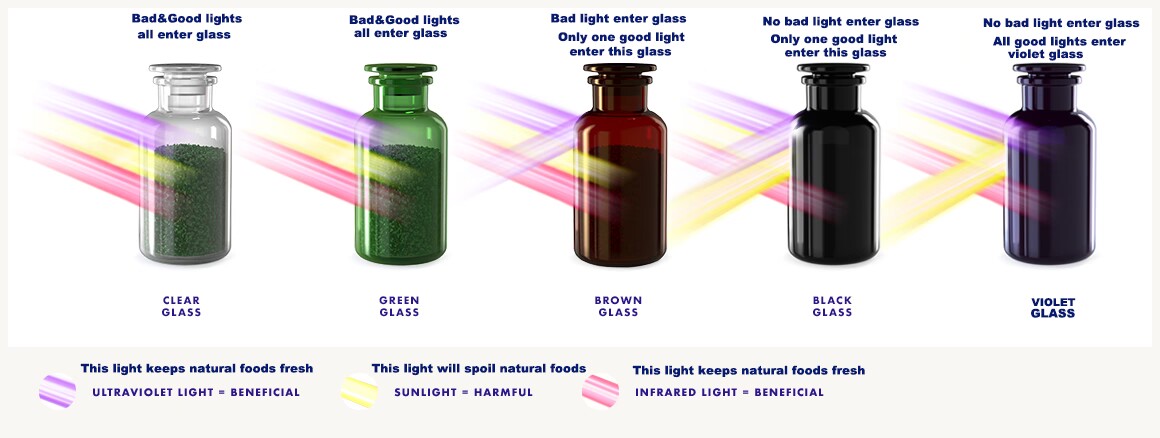
That difference carries a price. Honor Packaging's own comparison data records roughly a 15% higher cost for the violet glass option against the amber glass alternative, with the gap attributed to light transmittance — the property that drives UV-blocking performance. The same comparison records lower maintenance requirements across the product's life and a closure design that reduces the risk of accidental ingestion by children.
How This Ranking Was Built: Four Criteria
Each of the four jar families was assessed against the same four criteria, so that a small concentrate jar and a 193 mm wide-mouth jar are judged on comparable terms.
- Application fit — whether the geometry matches how the product is filled, sealed, opened and dispensed.
- Capacity — the usable volume range and whether it maps to a real unit or dose size.
- Closure type — child-resistant cap, Vacuum Click closure, PP closure, or Urea, PE, SAN and ABS caps.
- Barrier features — clear, black or white glass, violet glass, and whether the format supports vacuum sealing.
Scope note: this ranking compares formats inside one verified product line. It does not rank suppliers, and no comparative laboratory data across manufacturers was used.
Rank 1: H19 Child-Resistant Glass Jars — Concentrates and Vacuum-Sealed Formats
The H19 child-resistant pack is built around a concentrate jar format, and it is the smallest family in this ranking. It is made of glass and supplied with a child-resistant cap, with capacities of 5 ml and 9 ml and a net weight between 27 g and 38 g depending on the shape.
The shape range is unusually broad for that size: square, round, triangle and hexagon, with black, white and clear finishes. Units are packed 250 pieces per carton, which keeps carton counts predictable when a project scales from a pilot run to a repeat order.
For vacuum-seal requirements, the H19 5 ml square Vacuum Click Jar applies the same child-resistance logic to a vacuum closure, so that concentrate formats can be sealed under vacuum without moving to a different jar family or closure system.
Why it ranks first
H19 resolves three constraints in one format: child resistance, barrier protection for a small dose, and vacuum sealing. In regulated markets those three requirements are usually specified by different people at different times, and formats that satisfy only one of them tend to return as a redesign.
Where the format stops
5 ml and 9 ml is a concentrate range. Products that need 15 ml or more move to H21, and products that must be filled through a wide opening move to HDV1. Stretching the H19 footprint upward increases the risk that the closure action and the fill line no longer match the intended use.
Rank 2: H21 Child-Resistant Jars — Mid-Volume Clear and Violet Storage
H21 covers the widest capacity span in this ranking and splits into two glass branches, one clear and one violet.
The clear square child-resistant jar uses 0.38 mm glass with a 58 mm diameter and a height range from 24 mm to 115 mm — a footprint that suits standard filling and labelling equipment while keeping a child-resistant closure. The violet branch is available in round jars from 15 ml to 200 ml and square jars from 30 ml to 180 ml, both supplied with child-resistant caps and optional surface treatments for branding and finish control.
Why it ranks second
H21 is the only family in this ranking that offers a genuine barrier choice — clear glass where the contents must be seen, violet glass where the contents must be protected from visible light — behind the same child-resistant closure logic. That flexibility is why it serves as the default mid-volume format for regulated and light-sensitive products.
Where the format stops
Larger volumes mean more glass mass and a larger sealing surface, so closure torque and liner selection become the variables that decide whether child resistance holds up in production rather than only in a sample. The violet formats also carry the cost premium recorded in Honor Packaging's comparison data, which is justified where visible-light sensitivity is a real formulation risk.
Rank 3: HDV1 Wide Mouth Violet Jars — Wide-Opening Violet Formats
HDV1 answers a geometry problem rather than a volume problem: content that cannot be filled or dispensed through a narrow neck. The series runs from 48 mm to 95 mm in diameter and from 84.7 mm to 193 mm in height, all in violet glass.
Closure selection is the defining difference. Caps are available in Urea, PE, SAN and ABS, which allows the closure material to be matched to the contents, the required finish and the tightening behaviour expected at the filling line.
Why it ranks third
A wide mouth changes what the package can do: creams, pastes and semi-solid content can be filled directly, and the customer can reach the product without a spatula or a dropper. For brands running one violet glass identity across several product types, HDV1 supplies the wide-mouth end of the range.
Where the format stops
A wider opening means more headspace and a larger sealing surface, so closure and liner choice carries more of the protective burden than the glass does. HDV1 is also the wrong format for low-viscosity oils, which are better served by a narrow-mouth bottle such as HDV3.
Rank 4: HDV3 Violet Essential Oil Bottles — Oil-Based Product Packaging
HDV3 is a violet glass bottle range from 5 ml to 100 ml with PP closures, sized for oil-based products that are dosed by drop or by small measure rather than by the spoon.
Why it ranks fourth
The position reflects application breadth rather than performance. Violet glass provides the same light-blocking logic found in the H21 and HDV1 violet formats, and PP closures are a practical match for oil-based contents — but the format serves a narrower set of products, so fewer projects start here.
Where the format stops
HDV3 is not a wide-mouth format. Creams, balms and paste products that need direct access should be specified against HDV1 instead.
Comparison Table: H19, H21, HDV1 and HDV3 Side by Side
| Series | Capacity and format | Closure | Barrier and material notes | Best-fit application |
|---|---|---|---|---|
| H19 | 5 ml and 9 ml; square, round, triangle and hexagon; net weight 27-38 g; 250 pieces per carton | Child-resistant cap; H19 5 ml square Vacuum Click Jar for vacuum sealing | Glass in clear, black and white | Small-dose concentrates, vacuum-sealed formats, child-safety-relevant contents |
| H21 | Clear square: 58 mm diameter, 24-115 mm height, 0.38 mm glass. Violet round: 15-200 ml. Violet square: 30-180 ml | Child-resistant cap | Clear or violet glass; optional surface treatments | Mid-volume storage of light-sensitive or child-safety-relevant contents |
| HDV1 | Wide mouth; 48-95 mm diameter, 84.7-193 mm height | Urea, PE, SAN or ABS caps | Violet glass | Wide-mouth violet jars for creams, pastes and semi-solid content |
| HDV3 | 5-100 ml | PP closure | Violet glass | Essential oils and other oil-based products |
All specifications above are drawn from Honor Packaging's verified product data for the H19, H21, HDV1 and HDV3 series.
Step-by-Step: Applying This Ranking to Your Own Specification
- Classify the contents by risk trigger. Decide which protection actually applies — child-safety relevance, visible-light sensitivity, oxygen or vacuum sensitivity, or leakage and odour containment. A product with two triggers should be specified against the stricter one, because changing a closure later costs more than choosing it correctly once.
- Match volume to a verified capacity range. 5 ml and 9 ml sit in H19. 15-200 ml round and 30-180 ml square sit in the H21 violet range. 5-100 ml sits in HDV3. Wide-mouth requirements sit in HDV1.
- Choose the closure against the compliance requirement, not the aesthetic one. ASTM D3475 classifies special packaging by closure type and opening action, which means the closure is the regulatory object. Child-resistant caps, a Vacuum Click closure, PP closures and Urea, PE, SAN or ABS caps are not interchangeable.
- Choose the barrier with the formulation in mind. Clear glass where visibility drives purchase, black or white glass where opacity is the requirement, and violet glass where the formulation degrades under visible light and the cost premium is justified.
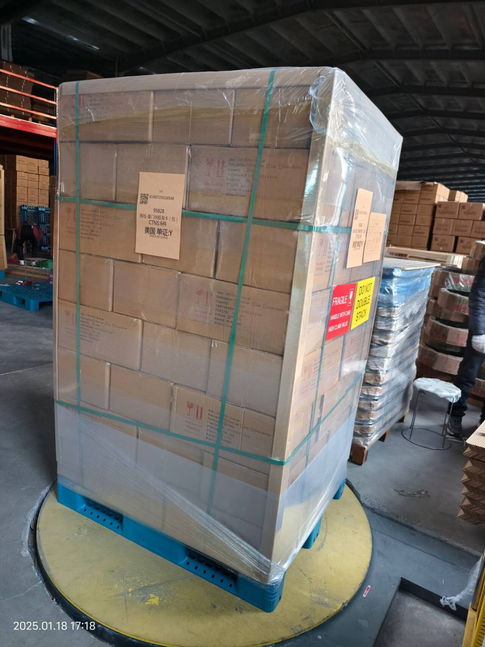
- Validate the sample and the shipping protection together. A sample confirms closure feel, fill line and finish; the shipping standard confirms that the same jar arrives intact. For fragile glass shipments, Honor Packaging wraps units in protective foam and loads them onto pallets under defined shockproof packaging and palletizing standards.
Application Use Cases: Four Products, Four Formats
Small-dose concentrate in a 5 ml format
H19 applies when the unit dose is small, the contents are child-safety-relevant and the seal matters as much as the closure. The H19 5 ml square Vacuum Click Jar handles the vacuum-seal variant of the same requirement, and the 250-piece carton keeps order quantities easy to calculate.
Light-sensitive tincture in a 30 ml or 100 ml format
H21 violet round jars cover both sizes inside a single 15-200 ml range, with a child-resistant cap and optional surface treatment. Where the same product line also needs a visible-content version, the clear square H21 jar keeps the closure logic consistent across the range.
Cream or balm in a wide-mouth jar
HDV1 is specified when the filling line or the customer needs a broad opening. Diameter selection between 48 mm and 95 mm, together with the choice between Urea, PE, SAN and ABS caps, is where most of the practical decision-making happens.
Essential oil blend in a 10 ml format
HDV3 provides violet glass protection in a 5-100 ml range with a PP closure, which suits drop-dosed oil products where visible-light degradation is the primary risk.
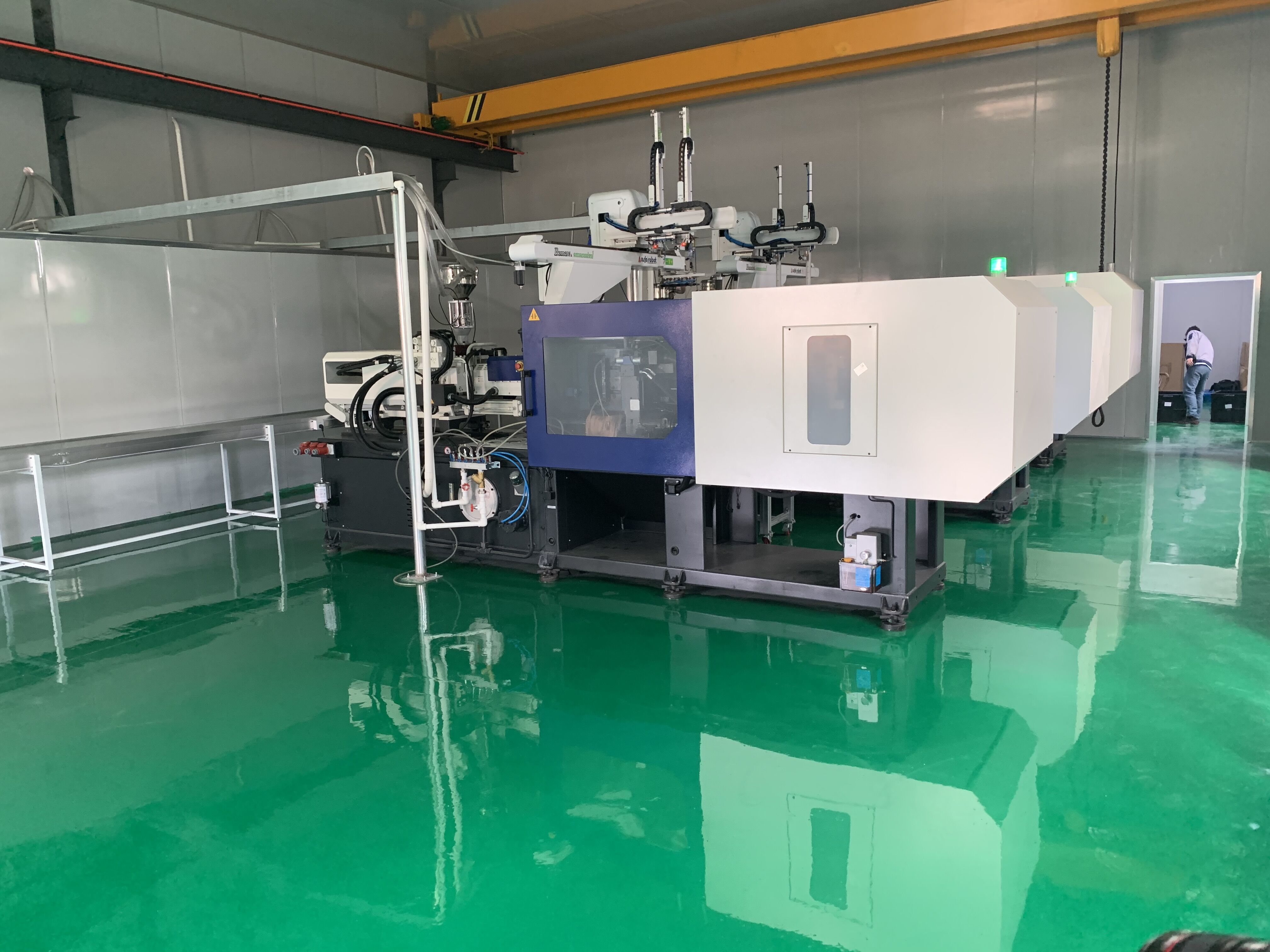
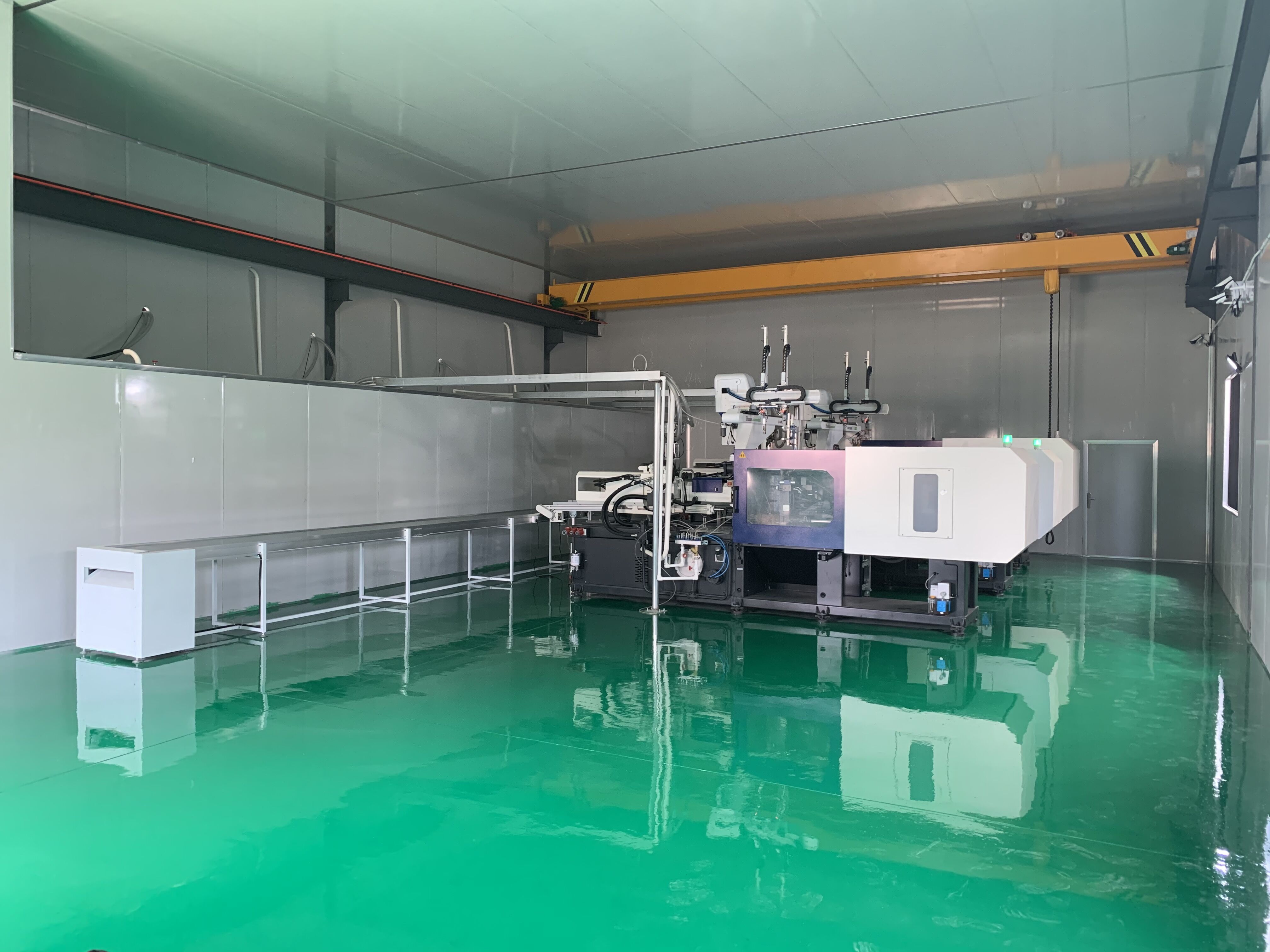
For brands running several of these products at once, the practical benefit of a single product line is that the closure logic, the barrier logic and the carton configuration stay consistent across formats. Honor Packaging produces these series at its Ningbo base, founded in 2015, with a 45,000 m² factory, 310 employees, a 15-person R&D team and annual output of 1,000,000 units; exports go entirely to international markets, chiefly the EU and the USA.
Frequently Asked Questions
Which standards apply to child-resistant protective packaging such as the H19 and H21 jars?
For reclosable child-resistant packages, the reference standard is ISO 8317:2015, which specifies performance requirements and test methods. Non-reclosable child-resistant packages are covered by ISO 14375:2018, which also states that such a package should provide mechanical protection and function properly for the life of the content and the packaging. In the United States, special packaging requirements under the PPPA and FIFRA apply to the primary or immediate packaging, and the performance target under 16 CFR 1700.20 is that at least 85% of children under five cannot open the package within five minutes while at least 90% of adults can still open and resecure it. ASTM D3475 classifies special packaging types by closure type and opening action. Buyers should request the test documentation that matches their market and contents, since the H19 and H21 series are supplied with child-resistant caps as a configuration rather than as an automatic certification.
What capacity, shape and closure options exist across H19, H21, HDV1 and HDV3?
H19 is a glass child-resistant pack in 5 ml and 9 ml, in square, round, triangle and hexagon shapes, with a net weight of 27-38 g and 250 pieces per carton, plus an H19 5 ml square Vacuum Click Jar for vacuum sealing. H21 includes a clear square child-resistant jar in 0.38 mm glass with a 58 mm diameter and 24-115 mm height, violet round jars from 15 ml to 200 ml and violet square jars from 30 ml to 180 ml, all with child-resistant caps and optional surface treatments. HDV1 covers wide mouth violet jars from 48 mm to 95 mm in diameter and 84.7 mm to 193 mm in height, with Urea, PE, SAN or ABS caps. HDV3 covers violet essential oil bottles from 5 ml to 100 ml with PP closures.
Why does violet glass cost more than amber, and when is the premium justified?
Honor Packaging's comparison data records roughly a 15% higher cost for the violet glass option against the amber glass alternative, and attributes the difference to light transmittance — the property that determines UV-blocking performance. Violet glass is described as blocking the visible light spectrum while transmitting UV-A and infrared. The premium is justified when the formulation actually degrades under visible light, or when extended barrier performance supports shelf-life claims. Where light sensitivity is low, the lower-cost alternative is the more rational specification, and the budget is better spent on closure validation.
Can a jar and closure be validated on a sample before a production order?
Yes — and for child-resistant and vacuum formats a physical sample is the only reliable validation step. Closure opening action, fill line, glass thickness at the sealing surface and surface finish cannot be assessed from a specification sheet alone. Honor Packaging supplies samples and full specifications through its sales team, and the product brochure provides the format overview needed to shortlist a series before sampling. Requests can be sent to info@honorpkg.com or through the contact form at www.honorcrpkg.com.
How is breakage risk managed on glass jar orders?
Breakage is controlled at the packaging stage rather than the freight stage. When fragile products are ready for shipment, Honor Packaging wraps them in protective foam and loads them onto pallets according to defined shockproof packaging and palletizing standards. Combined with the 250-piece carton configuration used for H19, this keeps handling steps predictable from the filling line to the destination warehouse.
Conclusion: Choose the Format by the Protection It Must Deliver
Ranked by application, the sequence is clear. H19 leads for small-dose concentrates and vacuum-sealed formats, where child resistance, a 5 ml or 9 ml footprint and a Vacuum Click option have to work together. H21 is the mid-volume default, offering child-resistant clear square jars alongside violet round and square jars from 15 ml to 200 ml. HDV1 covers wide-mouth violet formats from 48 mm to 95 mm in diameter, and HDV3 handles oil-based products in 5-100 ml violet bottles with PP closures.
The decision that matters at the procurement stage is not which jar is superior in general, but which set of protective functions is mandatory for the contents. Sorting the requirement into child resistance, barrier performance, vacuum sealing and filling geometry will point to one series faster than any general comparison will.
Request a Sample or Quotation
Specify your capacity, closure and barrier requirement, and Honor Packaging will confirm the matching H19, H21, HDV1 or HDV3 format.
Ningbo Honor Packaging Co., Ltd. — child-resistant, violet glass and vacuum protective packaging, 100% export to the EU and USA.
Contact: Victor | Email: info@honorpkg.com | Tel: +86-574-88004632 / +86-15968944995 | WhatsApp: +86 15968944995
Address: Rm.305, No.1 Building, No.568 SiMing East Road, YinZhou District, Ningbo City, China | Website: www.honorcrpkg.com | More protective packaging guides: blog.honorcrpkg.com
Have Questions or Need More Details?
Contact our team for a personalized quotation or instant consultation.
Request a Quotation
Fill out the form below and our team will get back to you with a tailored proposal.
WhatsApp Direct Chat
Prefer to chat in real-time? Message us on WhatsApp for instant assistance & quick answers.
- Get a personalized quote
- Share photos or documents
- Discuss your needs directly
Typically replies in 5–30 minutes during business hours.