
Supplement Jar Specs: Glass Thickness, Threads, Closures
Supplement Jar Specs: Glass Thickness, Threads, Closures
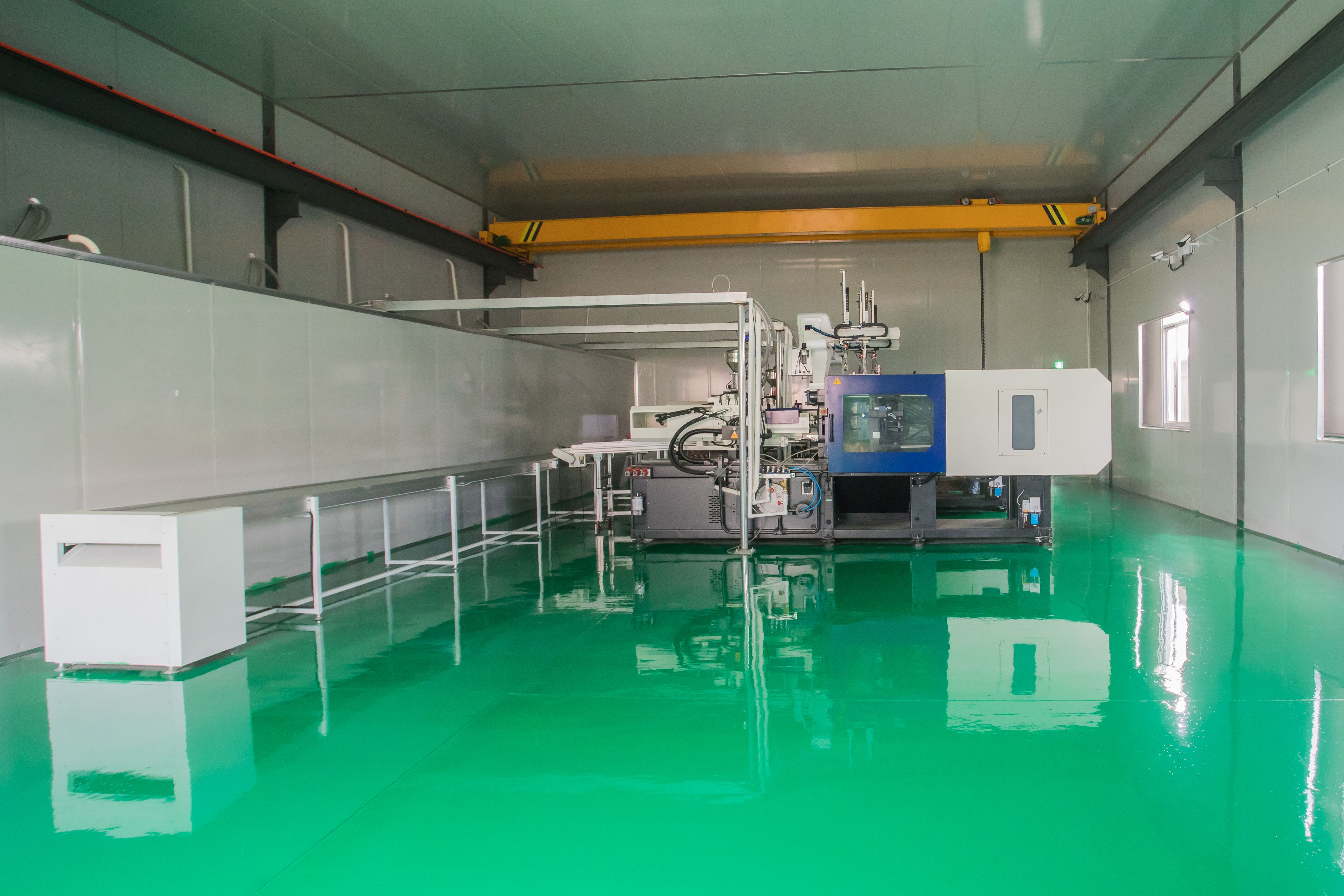
Plastic and glass production bases: where thickness callouts, finish codes and closure systems are checked before mass production.
For a supplement brand that has already chosen a jar format, most of the remaining launch risk sits in three specification fields: the glass wall-thickness callout, the thread finish designation, and the closure system matched to that finish. These three fields decide whether a cap seals, whether a child-resistant closure performs as designed, and whether a jar survives a filling line, a pallet, and a sea container.
When any one of the three is written loosely — a thickness figure with no tolerance, a finish quoted as “standard neck”, or a closure chosen by appearance — the failure usually appears late, after tooling and artwork are already committed. This guide explains what each field controls, how the three interact, and what a buyer should require on a drawing and a first-article sample before approving mass production.
Why Spec Ambiguity Becomes a Production Problem
A jar and its closure are a matched pair, not two independent purchases. The finish — the threaded opening molded into the jar — is the interface. Closure integrity depends on the jar’s neck geometry, the closure’s thread and liner, and the capping process that brings them together.
The failure modes appear in a fairly predictable order:
- Leakage or seepage, when the liner does not compress evenly against the sealing surface.
- Cap back-off, when thread engagement or application torque does not survive handling and transport.
- Tamper-evident band failure, when the band tears on opening or never seats on application.
- Child-resistant performance drift, when the opening motion no longer aligns with the molded thread and lug geometry.
- Breakage in transit, when wall thickness at shoulder, sidewall or base has less impact margin than the packing method assumes.
Each of these is a specification problem before it becomes a production problem. For certain dietary supplements sold in the United States, tamper-evident packaging is not a design preference at all: the Poison Prevention Packaging Act (PPPA) makes tamper-evident packaging mandatory for products containing certain ingredients, including iron above 30 mg (Compliance Gate). A closure specification that ignores that requirement is a compliance risk, not a packaging detail.
Industry Background: What Supplement Packaging Looks Like in 2026
The category keeps growing, and so does the number of packaging decisions a brand has to document. Precedence Research valued the global dietary supplement packaging market at approximately USD 12.7 billion in 2024 and projects growth at a CAGR of 6.1% through 2034. Grand View Research reports that plastic remained the dominant material in nutraceutical packaging with a 58.3% revenue share in 2024, driven by cost-effectiveness and barrier properties, and that North America accounted for 34.4% of global revenue in the same year. Flexible formats are expanding in parallel: Vantage Market Research valued the Mylar bag market at USD 2.4 billion in 2023 and projects USD 4.1 billion by 2030.
Market-size estimates vary with how each research house defines the category, so the useful takeaway is directional rather than precise: rigid plastic still carries most supplement volume, glass remains the preferred option for premium and light-sensitive products, and flexible formats keep taking share in powder and herb categories.
Regulation shapes the paper trail around all of it. In the US, dietary supplement packaging must comply with the Dietary Supplement Health and Education Act (DSHEA) of 1994 and FDA Current Good Manufacturing Practice under 21 CFR Part 111 (FDA). In the EU, Regulation (EU) No. 1169/2011 governs the information and transparency required on food and supplement packaging (European Commission). Neither framework prescribes a glass thickness or a thread code. That is exactly the point: regulators define outcomes — product safety, correct labeling, tamper evidence — while thickness, finish and closure values are the engineering variables that deliver those outcomes.
The supplier landscape splits accordingly. Grand View Research identifies Amcor, Berry Global and Gerresheimer among the top-tier global manufacturers in nutraceutical packaging. Specialist and regional converters compete on a different axis: structural development, tooling, and manufacturing consistency for customized projects.
The Three Spec Fields That Control Closure Integrity
Thickness, finish and closure form a chain. Change one and the other two have to be re-confirmed, which is why they belong in a single specification review rather than in three separate purchasing conversations.
1. Glass thickness: nominal value, tolerance, and measurement point
A thickness callout is a nominal figure with a tolerance band, and it only means something when the drawing also states where the measurement is taken — sidewall, shoulder or base — and how it is checked. Thin-wall supplement jars are commonly drawn with a sub-millimeter nominal figure; a value such as 0.38 mm is a familiar example of that format, and it is also a familiar source of dispute when no tolerance and no measurement location are attached to it.
What thickness actually changes:
- Impact margin. Thinner walls leave less material to absorb impact at the shoulder and base, which is where transit damage usually starts.
- Weight and freight cost. Material weight scales into pallet and container weight, so wall thickness is a logistics variable as well as a strength variable.
- Dimensional stability of the neck. The finish the closure locks onto has to hold within tolerance batch after batch, otherwise the same closure pair performs differently on different production days.
- Filling and capping behavior. A heavier, stiffer jar behaves differently on a filling line than a light one, particularly at higher line speeds.
Decision rule: never approve a thickness figure on its own. Require nominal value, tolerance, measurement point and inspection method, then confirm all four with a first-article sample.
2. Thread finish: reading designations such as 41/400 and 89/400
The finish is the threaded neck of the jar, and in standard industry practice its designation combines two pieces of information: a nominal diameter and a thread series number. The 400 series denotes a continuous-thread finish of the type used on most screw-cap jars and closures. A designation such as 41/400 or 89/400 therefore tells a buyer the diameter family and the thread series at the same time — and the closure has to match both.
Practical consequences:
- Narrow and wide-mouth finishes are not interchangeable. A 41 mm-family finish and an 89 mm-family finish take different closures, different liners, and usually different capping heads and torque settings.
- Wide-mouth finishes change more than the closure. They change fill equipment, scoop or spatula access, and how the consumer doses the product.
- Molding details travel with the finish code. Thread depth, thread pitch, the vertical seam and the recess a tamper-evident band locks into are all part of the same interface.
Decision rule: quote the finish code, not the jar’s outer diameter. If one supplier describes a jar as “41 mm” and another as “41/400”, confirm they mean the same interface before comparing quotations.
3. Closure systems: how material composition and liner choice affect the seal
A closure is usually an assembly rather than a single part: an outer shell, an inner cap, and a liner or seal. Different resins dominate different roles in that assembly.
- Urea (urea-formaldehyde): hard, high-gloss and dimensionally stable; often chosen where a premium, heavy-feeling outer cap is wanted.
- PE (polyethylene): flexible and chemically inert; widely used for inner caps, plugs and liners.
- SAN: rigid and transparent with good surface gloss; commonly used for decorative outer shells.
- ABS: impact resistant and dimensionally stable, and it holds tight molding tolerances well.
- PP (polypropylene): good chemical resistance and higher heat tolerance; widely used for standard and child-resistant closures.
Material name, however, is not a specification. Three details decide whether the seal works: the liner or seal system (induction seal, foam or pulp liner, or molded cone); whether tamper evidence is required and how the band is designed to seat and break; and the anti-ingestion design intent where children may encounter the jar. The same “PP cap” can perform very differently depending on wall section, thread engagement and the torque range used on the capping line.
How Honor Packaging Handles Thickness and Closure Specifications
Honor Packaging, formally NINGBO HONOR PACKAGING CO., LTD, was founded in 2015 and is headquartered in Ningbo, China, close to both the Ningbo and Shanghai seaports. The company operates a 45,000 m² manufacturing footprint with 310 employees, an in-house R&D team of 15, and an annual output of 1,000,000 units, with a 100% export focus concentrated on the EU and USA markets. Its core product lines are child-resistant packaging, violet glass packaging and vacuum packaging.
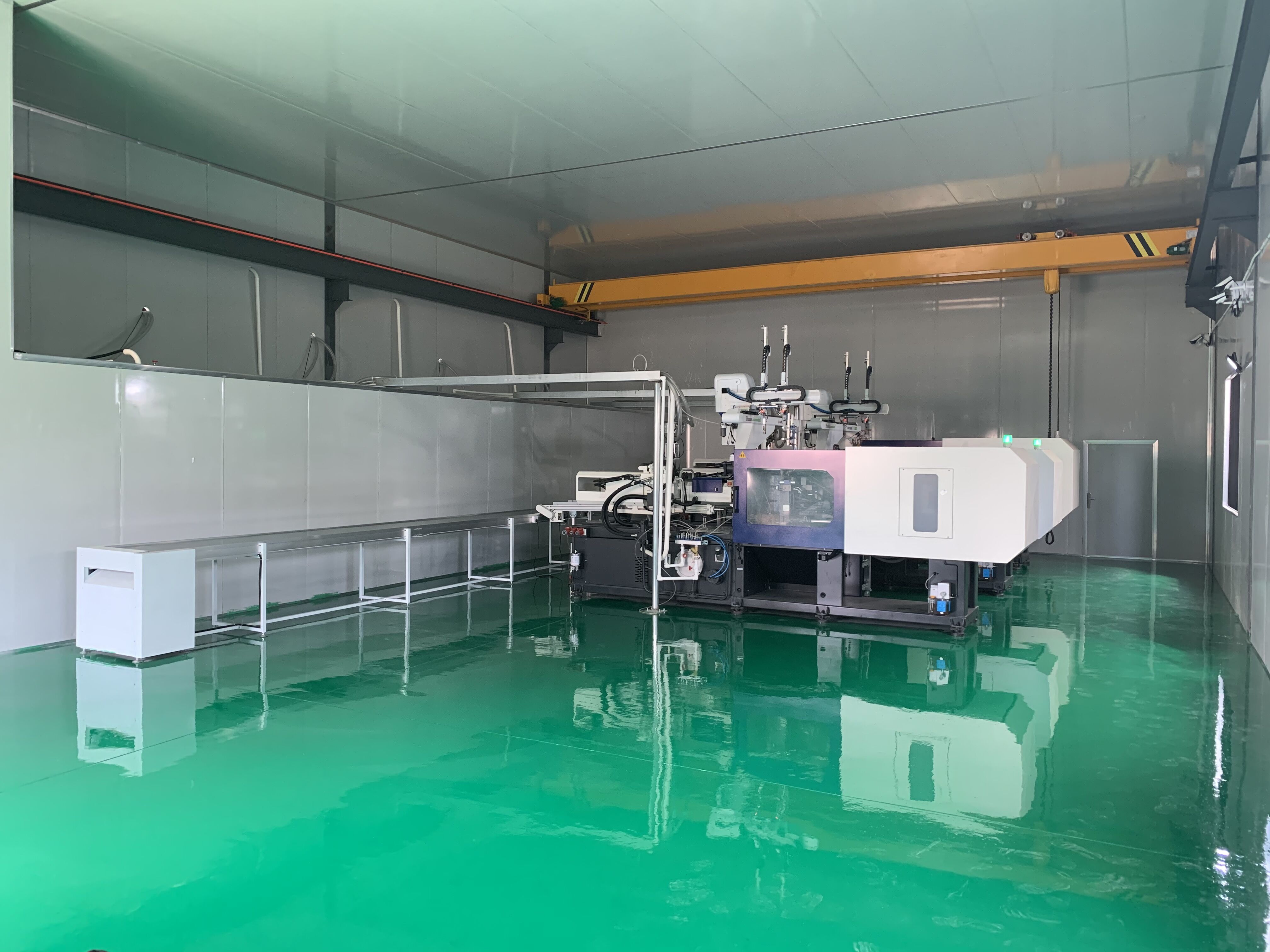
Production base: customized jar and closure projects move from structural development into controlled mass production.
The working model matters more than the catalogue when thickness and closure questions come up. Honor Packaging positions itself as a manufacturing-responsibility partner: it takes a client’s finalized packaging design and turns it into something that can be repeatedly mass-produced. Before mass production that means involvement in structural development, tooling strategy, and manufacturing risk assessment; during mass production it means process control and order fulfilment with stable quality, controlled cost and on-time delivery. Production runs through long-term joint-venture production bases for plastic and glass packaging, with a focus on technically demanding products.
For a buyer, the practical consequence is that a thickness or finish question can be escalated into a design and tooling conversation with validation attached, rather than answered with “that is our standard.” Model-level designations used in a project’s specification set — an HDV1 or HDV2 jar, for example — are shorthand for the parameters recorded on the drawing: thickness callout, finish code and closure specification. The drawing is what should be approved; the model name is only a label for it.
Step-by-Step: Specifying and Validating a Supplement Jar
- Define the fill first. Product form (resin, oil, powder, capsule, cream), light and moisture sensitivity, fill temperature and dose per serving determine whether you need glass, plastic or a flexible format before any closure discussion starts.
- Choose the closure class before the jar. Decide whether child resistance is required, whether tamper evidence is required, and which liner system fits the fill. Then work backwards to the finish the closure needs.
- Fix the finish designation in writing with the same code on both the jar and closure side of the project.
- Set the body specification: material, thickness with tolerance and measurement points, capacity with headspace allowance, and weight target.
- Validate the pair, not the parts: application and removal torque, leak or vacuum testing, drop testing of the packed configuration, the child-resistant protocol if applicable, and a capping line trial at production speed.
- Lock the drawing, the change-control rule and the packing standard. Breakage control belongs in the specification: when fragile products are ready for shipment, foam wrapping and careful pallet loading are the documented method, so the packing standard should be written into the order rather than improvised at the warehouse.
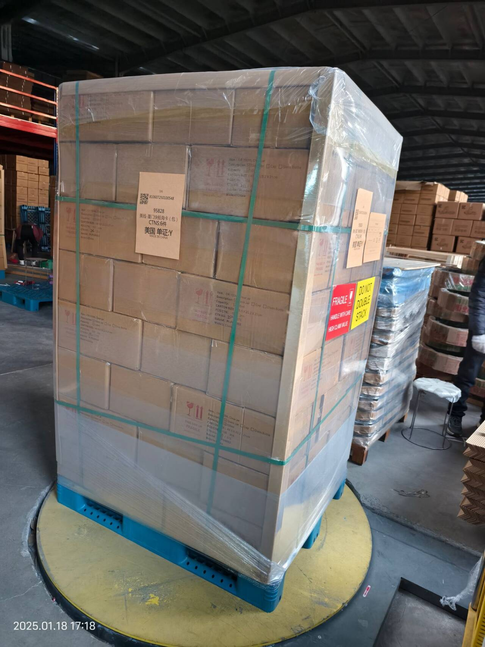
Breakage control is part of the spec: protective foam wrapping and palletized loading for fragile packaging.
Use Cases: How the Spec Decision Changes by Product
- Shilajit and light-sensitive resins. Violet glass is the format most often chosen here. Honor Packaging’s comparison documentation records the core difference against amber glass as light transmittance: violet glass provides better protection against ultraviolet rays and helps maintain product freshness, with the anti-ultraviolet effect described as its main technical advantage, at roughly 15% higher initial cost. It is also positioned as requiring less maintenance and reducing the risk of accidental ingestion by children, and as suitable for food, cosmetic and pharmaceutical packaging.
- Herbal powders and extracts. Moisture and aroma retention drive the choice more than light protection, which is why flexible formats and tightly sealed rigid formats compete in this category.
- Cosmetic and cream products. Wide-mouth finishes and premium outer caps in urea, SAN or ABS are common, because product access and perceived quality matter as much as barrier performance.
- Capsules and tablets. Standard closures in PP or PE, usually with child resistance and tamper evidence, where the decision hinges on torque consistency and line speed rather than appearance.
- Gift and luxury sets. Matte finishes and multi-material closures carry the value signal; the specification work here is mostly color consistency and assembly tolerance.
Comparison: Violet Glass vs Amber Glass
| Decision criterion | Violet glass packaging | Amber glass packaging |
|---|---|---|
| Core technical difference | Light transmittance | Light transmittance (comparison basis) |
| UV protection | Better protection against ultraviolet rays; anti-ultraviolet effect described as the main technical advantage | Lower UV protection than violet glass |
| Product freshness | Helps maintain product freshness | Baseline protection |
| Initial cost | Approximately 15% higher | Lower initial cost |
| Maintenance and child safety | Less maintenance; reduces the risk of accidental ingestion by children | Higher maintenance requirement relative to violet glass |
| Typical fit | Food packaging, cosmetic packaging, pharmaceutical packaging | Protective packaging where UV sensitivity is lower |
Source: Honor Packaging comparison data for violet glass versus amber glass packaging, together with the company’s published product statements. The practical reading: violet glass is a specification upgrade tied to light-sensitive fills, not a universal default, and it should be justified by product sensitivity rather than by appearance alone.
Comparison: What Each Material Contributes
| Material | Typical role in a supplement jar system | What to verify before approving |
|---|---|---|
| Urea (urea-formaldehyde) | Hard, high-gloss outer caps with a premium feel and stable dimensions | Impact behavior, product compatibility, color consistency |
| PE (polyethylene) | Flexible inner caps, plugs and liners | Liner specification and seal method |
| SAN | Rigid, transparent decorative outer shells | Gloss level, assembly tolerance, stress cracking |
| ABS | Impact-resistant structural shells with tight molding tolerances | Thread engagement and torque range |
| PP (polypropylene) | Standard and child-resistant closures | Child-resistant protocol and capping-line settings |
| Glass (jar body) | Body for premium and light-sensitive fills | Thickness tolerance, finish dimension, transit packing standard |
This table describes roles, not a ranking. Final selection depends on the verified model drawing, product compatibility and the performance level the project actually requires.
FAQ
Do supplement jar specifications have to meet FDA or EU requirements?
Indirectly, and the distinction matters. In the United States, dietary supplement packaging must comply with the Dietary Supplement Health and Education Act (DSHEA) of 1994 and FDA Current Good Manufacturing Practice under 21 CFR Part 111 (FDA). In the EU, Regulation (EU) No. 1169/2011 governs the information and transparency required on food and supplement packaging (European Commission). Neither framework dictates a specific glass thickness or thread code; they define outcomes such as product safety, correct labeling and, where applicable, tamper evidence. For certain ingredients, tamper-evident packaging is mandatory in the US under the PPPA — iron above 30 mg is one documented example (Compliance Gate). The practical rule is to write the compliance requirement into the specification first, then let the drawing carry the numbers.
Can a packaging partner adjust wall thickness or finish designations for our project?
Yes, within a manufacturing-responsibility model. Honor Packaging takes part in structural development, tooling strategy definition, and manufacturing risk assessment before mass production rather than only executing a fixed catalogue, and its production runs through long-term joint-venture production bases for plastic and glass packaging, supported by an in-house R&D team of 15. In practice, thickness and finish changes are engineering changes: they normally require a drawing revision, a tooling review and re-validation of the jar-and-closure pair, so they should be raised early. Buyers should confirm scope, tooling ownership and cost, and the validation plan in writing before approving.
Why does violet glass cost more than amber glass, and when is it worth it?
Honor Packaging’s comparison documentation records violet glass at approximately 15% higher initial cost than amber glass. The core difference is light transmittance: violet glass provides better protection against ultraviolet rays and helps maintain product freshness, with the anti-ultraviolet effect described as the main technical advantage. It is also positioned as requiring less maintenance and reducing the risk of accidental ingestion by children, and as suitable for food, cosmetic and pharmaceutical packaging. The decision rule is to compare on total packaged cost — including spoilage, returns and rework — rather than on the per-jar price difference alone.
How should we validate a jar and closure before committing to mass production?
Validate the pair, not the components. The minimum set is: first-article samples measured against the drawing tolerance; application and removal torque checks; leak or vacuum testing; drop testing of the packed configuration; the child-resistant protocol if a CR closure is specified; and a capping line trial at production speed. Because fragile glass needs a packing standard as well as a product standard, confirm the shipping method at the same time — foam wrapping and careful pallet loading are the documented approach for fragile products. A sample request is the fastest way to run these checks on your own fill.
What affects lead time and transit risk for glass supplement jars?
Lead time is driven by tooling status, first-article approval, order quantity and packing preparation rather than by one standard number, so it should be quoted per project. Two factors reduce surprises: production planning with a supplier located near major ports — Honor Packaging operates from Ningbo, China, close to both the Ningbo and Shanghai seaports, with a 100% export focus on the EU and USA — and an agreed breakage-control standard using protective foam and palletized loading for fragile items. If you want to review finished examples before setting your own timeline, the next step is a sample request or the catalogue download below.
Conclusion
Thickness, finish and closure are one decision, not three. A jar drawing that states the thickness callout with a tolerance and a measurement point, a finish code quoted identically by the jar and closure suppliers, and a closure assembly specified down to liner and torque range gives a brand something it can validate and repeat. The market continues to expand — the dietary supplement packaging segment was valued at approximately USD 12.7 billion in 2024 with a 6.1% CAGR projected through 2034 (Precedence Research) — and specification discipline is what keeps a growing brand’s packaging from becoming its bottleneck.
Before approving mass production, ask four questions: what is the thickness tolerance and who measures it; what finish code appears on both drawings; which liner and seal system is used; and what validation tests will be run on the first article. If a supplier cannot answer all four in writing, the specification is not finished.
Next step: request a sample, a quotation, or the full Honor Packaging catalogue with jar, closure and material options.
Download the Honor Packaging catalogue (PDF) | www.honorcrpkg.com
Email: info@honorpkg.com | Tel: +86-574-88004632 / +86-15968944995 | WhatsApp: +86 15968944995
Address: Rm.305, No.1 Building, No.568 SiMing East Road, YinZhou District, Ningbo City, China
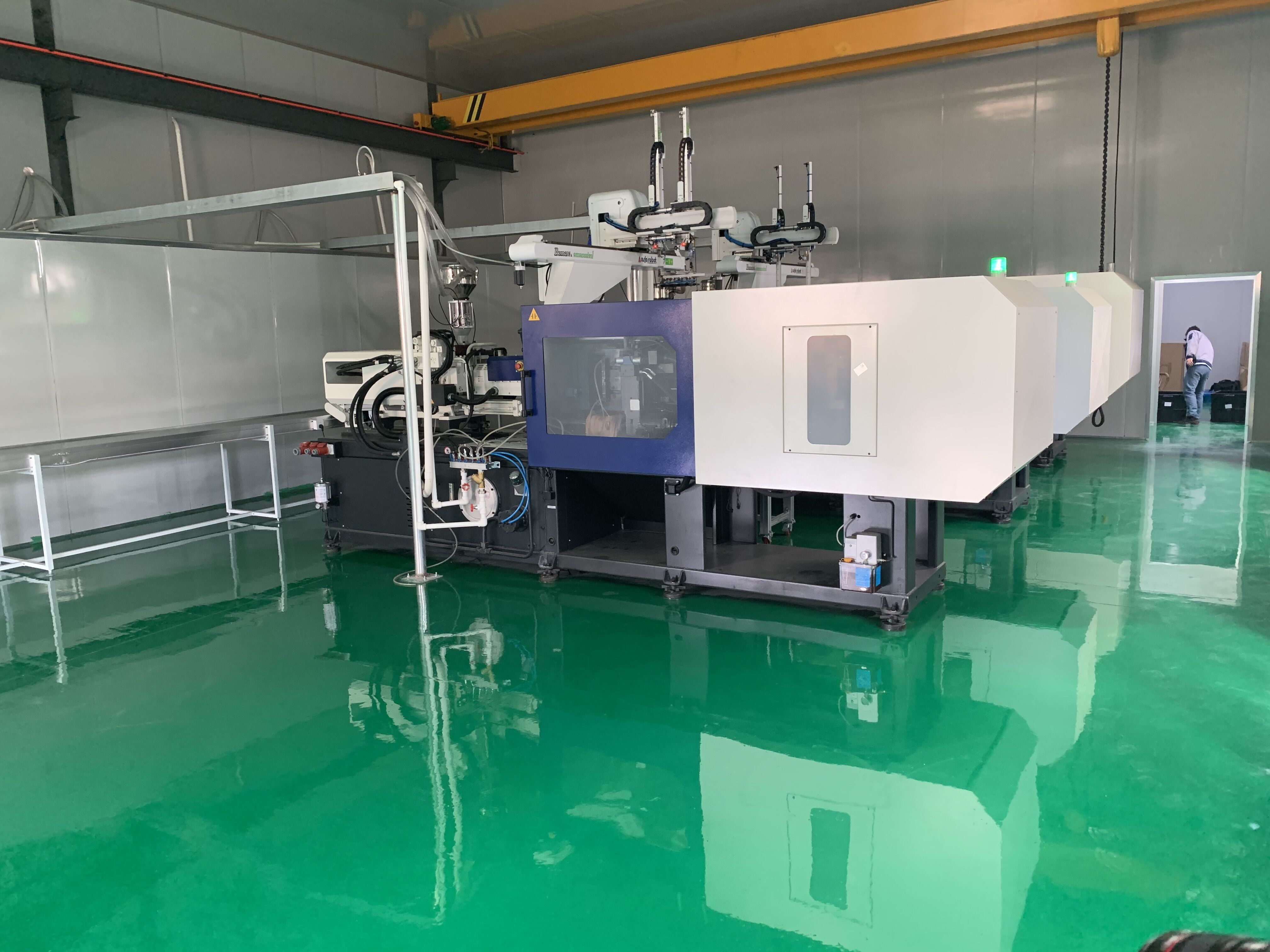
Sample preparation and order fulfilment for customized supplement packaging projects.
Have Questions or Need More Details?
Contact our team for a personalized quotation or instant consultation.
Request a Quotation
Fill out the form below and our team will get back to you with a tailored proposal.
WhatsApp Direct Chat
Prefer to chat in real-time? Message us on WhatsApp for instant assistance & quick answers.
- Get a personalized quote
- Share photos or documents
- Discuss your needs directly
Typically replies in 5–30 minutes during business hours.