
Supplement Packaging: Compare Cost, UV Protection and Safety
Supplement Packaging: Compare Cost, UV Protection and Safety
Selecting supplement packaging feels like a material decision, but at the final stage it is a risk decision. For a brand that is ready to order, the real question is whether the package protects the product well enough to justify its cost. If your supplement is sensitive to light, this article gives you a direct comparison between violet glass and amber glass packaging, plus a decision framework that also positions plastic and Mylar formats.
In short: violet glass packaging offers better protection against ultraviolet rays than amber glass packaging and helps maintain product freshness. It is suitable for food, cosmetic, and pharmaceutical packaging, and it reduces the risk of children accidentally ingesting contents. The trade-off is an initial cost that is about 15% higher than amber glass packaging.
Why the final packaging decision is harder than choosing a container
A supplement package must do several jobs at once. It must protect the formula, survive shipping, explain the product to the consumer, and support the brand story. At the decision stage, buyers usually have already narrowed the options. The remaining challenge is comparison: glass vs. plastic, amber vs. violet, rigid vs. flexible, and then supplier reliability.
There is no single material that is ideal for every supplement. The correct choice depends on the product's light sensitivity, physical form, target market, price point, and compliance obligations. What a decision maker needs is not another list of materials, but a transparent set of criteria that connects protection, cost, and manufacturing risk.
Industry signals for a growing supplement packaging market
Market context helps explain why the packaging choice has become more visible to supplement buyers. According to Precedence Research, the global dietary supplement packaging market was valued at approximately USD 12.7 billion in 2024 and is expected to grow at a CAGR of 6.1% through 2034.
Grand View Research reports that plastic remains the dominant material in nutraceutical packaging, capturing a 58.3% revenue share in 2024 because of its cost-effectiveness and barrier properties. North America is the largest regional market for supplement packaging, accounting for 34.4% of global revenue in the same year. These figures help explain why many brands begin their search with plastic formats even when they intend to use premium glass later.
The flexible segment is relevant to brands searching for shilajit packaging or herbs packaging as well. Vantage Market Research estimates the Mylar bags market, frequently used for powder and herbal supplements, at USD 2.4 billion in 2023 and projects it to reach USD 4.1 billion by 2030. Mylar is therefore not a niche choice; it is a mature format with commercial scale.
At the global supplier level, Grand View Research identifies Amcor, Berry Global, and Gerresheimer as top-tier manufacturers in the nutraceutical and dietary supplement packaging sector. This large supplier base creates an important option for brands: work with a global default supplier, or choose a more specialized manufacturing partner that focuses on manufacturing feasibility, process discipline, and delivery reliability.
A direct comparison: violet glass vs. amber glass packaging
For decision makers comparing glass options, the most useful starting point is a direct comparison between violet glass and amber glass packaging. Both are common colored glass options, but the measurable difference is not cosmetic. The core difference is light transmittance.
- Protection result: Compared with amber glass packaging, violet glass packaging provides better protection against ultraviolet rays and helps maintain product freshness.
- Technical advantage: The anti-ultraviolet effect is notable, which matters for products that degrade or lose color when exposed to light.
- Application scope: Violet glass is suitable for food packaging, cosmetic packaging, and pharmaceutical packaging.
- Safety benefit: It requires less maintenance than alternatives, reducing the risk of accidental ingestion by children.
- Cost difference: An initial cost premium of about 15% versus amber glass packaging.
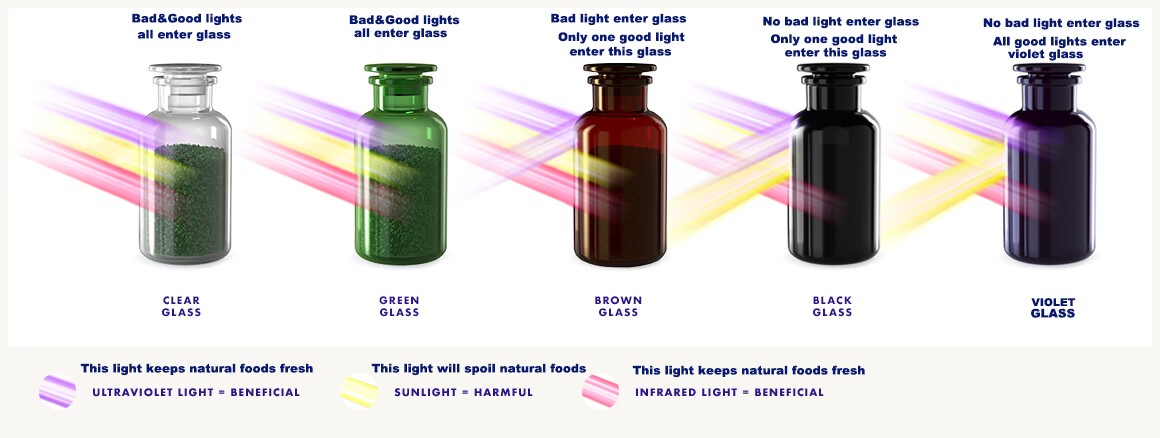
Comparison of UV protection of various colored glass bottles
Read together, these points produce a clear value statement. If the product being packaged must remain fresh under light exposure, the extra 15% paid for violet glass is not only a material premium; it is a freshness-control measure that can reduce waste, returns, and consumer complaints.
Detailed solution: How to use this comparison in your selection
The mistake that appears most often at the decision stage is comparing the bottle price before comparing the packaging risk. A slightly cheaper amber glass bottle may look like the safer financial choice until a UV-sensitive supplement loses color, aroma, or potency on the shelf. For this reason, the comparison should be framed around the full product lifecycle, not around the unit price alone.
When violet glass is the appropriate choice
Choose violet glass when light protection is a real requirement. The packaging is suited to food, cosmetics, and pharmaceutical products. In practical terms, this covers resin-like supplements such as shilajit, herbal extracts, oils, and premium capsules where color or freshness is part of the consumer promise. If the brand message is about purity and integrity, the visible UV protection of violet glass supports that claim.
When amber glass remains a legitimate baseline
Amber glass is the reference point in this comparison because the data is expressed as a difference from amber. If a product is stable under moderate light and the target market is highly cost-sensitive, choosing amber glass and saving the reported 15% premium can be a rational decision. The issue is not that amber is unusable; it is that violet performs better on the specific dimension of UV protection.
Where plastic and Mylar enter the shortlist
Plastic's dominant revenue share shows broad market acceptance, especially where cost and lightweight distribution matter. Mylar bags add a flexible option for powders and herbs. For these alternatives, the buyer should compare what they protect and how they are used rather than assume one material is inherently better. The deciding criteria remain the same: protection, safety, application fit, cost over time, and manufacturing stability.
Step-by-step breakdown: Compare supplement packaging before you commit
At the decision stage, the process is not about discovering new packaging types. It is about bringing evidence into the final supplier conversation. Use these steps:
- Define the product risk. Identify whether your supplement is sensitive to light, moisture, oxygen, or accidental opening. This defines whether UV-blocking glass is a necessity or a luxury.
- Map the requirement to your destination markets. If you sell in the US or EU, review the compliance rules that apply to supplement labeling and tamper evidence before finalizing the format.
- Verify the claimed application scope. For a glass option, confirm that the supplier has positioned the packaging for food, cosmetic, or pharmaceutical use.
- Compare protection before price. Use the direct comparison between violet and amber glass as a model: light transmittance, UV protection, freshness, child safety, and cost difference.
- Assess production feasibility. A sample is only the beginning. The supplier must be capable of tooling development, process control, and repeatable quality in mass production.
- Check distribution protection. Fragile glass shipments should have defined shockproof packaging and palletizing standards to avoid breakage.
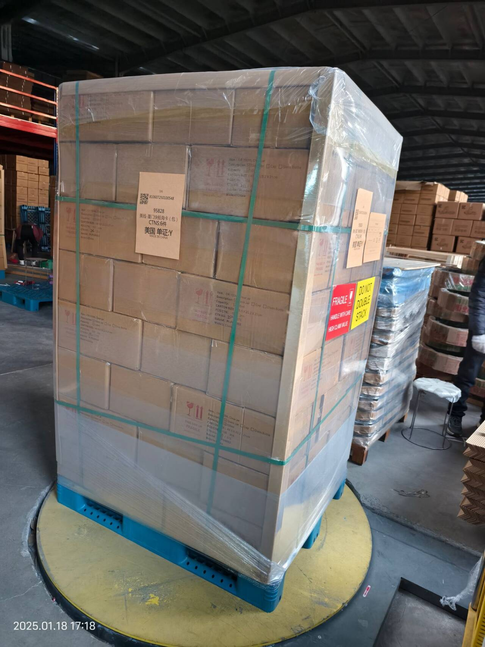
Shockproof packaging and palletizing standards for fragile glass shipments
Use cases: Where this comparison appears in real product searches
Brands searching for shilajit packaging, herbs packaging, cosmetic packaging, and powder supplement packaging are often asking the same question: how much protection do we need, and what is it worth?
For shilajit and botanical products, product freshness is a central concern. Because violet glass provides better UV protection and helps maintain freshness compared with amber glass, it is relevant to resin and powder formats where ingredient protection is part of the brand story.
For cosmetic and pharmaceutical brands, the application scope in the comparison is explicit. Both categories appear in the suitability statement for violet glass packaging. That gives the buyer a useful piece of first-party information when evaluating whether a glass pack is appropriate for the final product label.
Comparison table: Evidence-based packaging shortlist
| Packaging option | Evidence / role | Protection and safety notes | Cost relationship |
|---|---|---|---|
| Violet glass packaging | Premium glass option for food, cosmetic, and pharmaceutical packaging | Better UV protection than amber glass; less maintenance; reduces accidental child ingestion risk | Approximately 15% higher initial cost than amber glass |
| Amber glass packaging | Baseline glass option used in comparison | Lower UV protection than violet glass | Reference cost point |
| Plastic packaging | Dominant nutraceutical packaging material; 58.3% revenue share in 2024 | Noted for barrier properties and broad commercial acceptance | Cost-effectiveness is cited as an adoption driver |
| Mylar bags | Flexible packaging format for powder and herbal supplements | Separate flexible segment with a market forecast of USD 4.1 billion by 2030 | No direct cost comparison available in cited data |
FAQ: Decision-stage questions supplement brands ask
What compliance rules apply to supplement packaging in the US and EU?
In the US, dietary supplement packaging must comply with the Dietary Supplement Health and Education Act (DSHEA) of 1994 and FDA Current Good Manufacturing Practice (CGMP) 21 CFR Part 111. Tamper-evident packaging is required under the Poison Prevention Packaging Act for certain ingredients, such as iron in quantities over 30 mg. In the EU, Regulation (EU) No. 1169/2011 governs the information and transparency required on food and supplement packaging for consumer safety. Ask your packaging partner how its process controls support these requirements.
Can one packaging supplier handle custom supplement packaging from final design through mass production?
Yes, provided the supplier is set up for manufacturing responsibility rather than only sample delivery. Honor Packaging, founded in 2015 and headquartered in Ningbo, China, describes itself as a manufacturing-responsibility-focused packaging partner. Before mass production, it is involved in structural development, tooling strategy definition, and manufacturing risk assessment and validation. During mass production, it manages manufacturing process control and order fulfillment across long-term joint-venture production bases for plastic and glass packaging.
How should a brand evaluate the 15% extra cost of violet glass packaging?
The 15% figure is meaningful only when compared with what it buys. According to the product comparison, violet glass offers better protection against ultraviolet rays than amber glass and helps maintain product freshness. It also requires less maintenance and reduces the risk of accidental ingestion by children. For a low-cost, light-stable supplement, the premium may not be justified. For a premium product whose central claim is freshness and integrity, the UV protection can reduce the risk of shelf failure and consumer dissatisfaction.
What is the next step after a packaging supplier shortlist?
Send your finalized packaging design or product parameters to the supplier and ask for a manufacturing feasibility review. At the decision stage, the goal is not only a lower quote; it is validation that the package can be mass-produced with stable quality and controlled cost. For a sample feasibility discussion with Honor Packaging, email info@honorpkg.com or contact the team via WhatsApp at +86 15968944995.
Conclusion: Make the supplement packaging choice with evidence
In the final stage of a packaging purchase, buyers should stop collecting options and start comparing evidence. The direct comparison between violet glass and amber glass is useful because it names the difference, the protection outcome, the application fit, the safety benefit, and the cost premium. Violet glass can justify a 15% premium over amber when UV protection and freshness are critical. Plastic and Mylar remain commercially important alternatives when their protection characteristics are sufficient and their costs are better suited to the product.
What matters next is the supplier's ability to turn the chosen packaging design into reliable output. Honor Packaging operates as a manufacturing-responsibility-focused partner, specializing in custom packaging solutions that require manufacturing feasibility, process discipline, and delivery reliability.
Review the company fact sheet
Download the Honor Packaging brochure (PDF) for company background, production bases, and service scope. For packaging inquiries, email info@honorpkg.com or call +86-574-88004632.
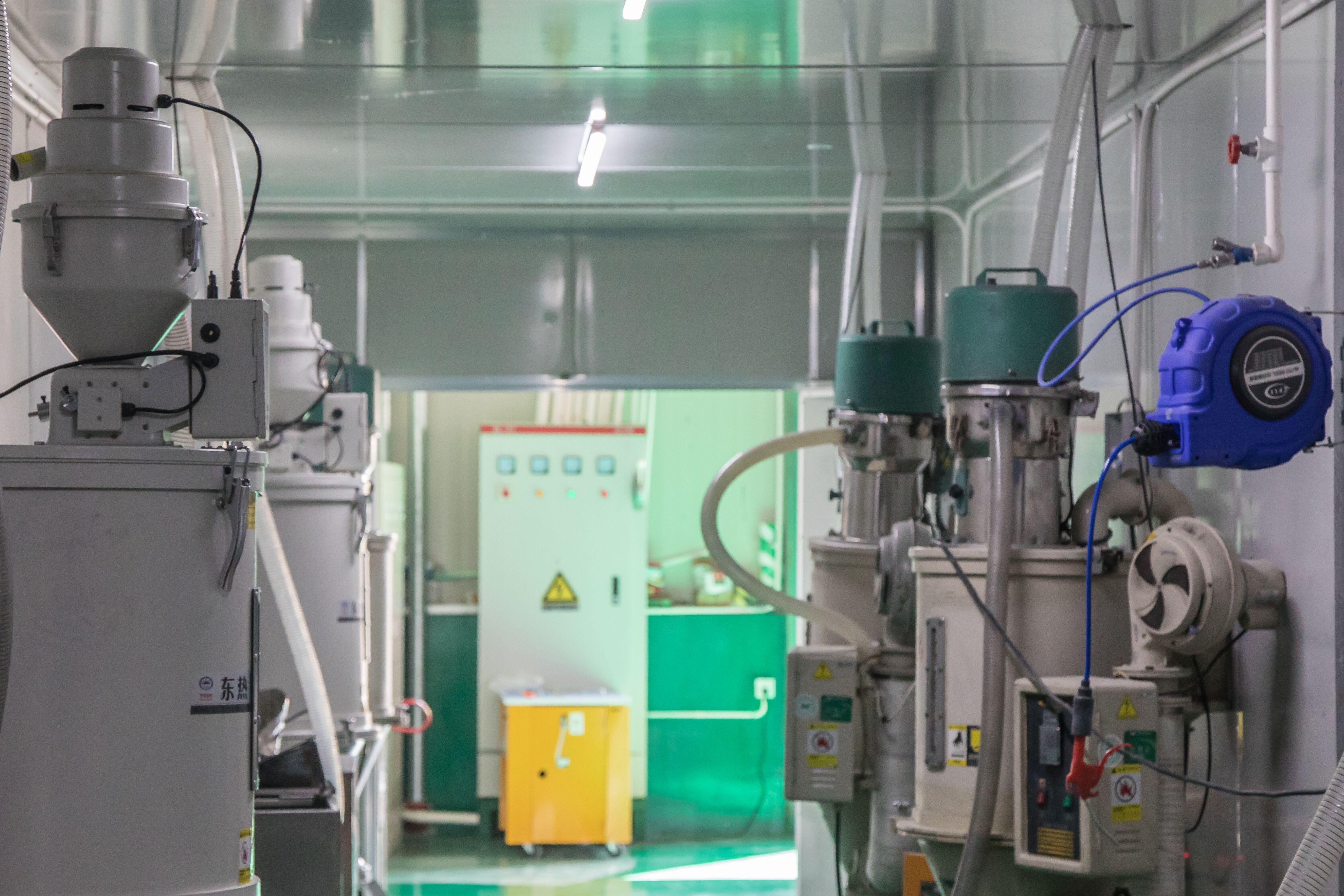
Honor Packaging factory production base
Have Questions or Need More Details?
Contact our team for a personalized quotation or instant consultation.
Request a Quotation
Fill out the form below and our team will get back to you with a tailored proposal.
WhatsApp Direct Chat
Prefer to chat in real-time? Message us on WhatsApp for instant assistance & quick answers.
- Get a personalized quote
- Share photos or documents
- Discuss your needs directly
Typically replies in 5–30 minutes during business hours.