
Supplement Packaging Specs and Certifications: A Buyer's Checklist
Supplement Packaging Specs and Certifications: A Buyer's Checklist
Supplement packaging evaluation should not start with price alone. Before comparing suppliers, a brand buyer needs to confirm whether a jar, bottle, or closure can match the product fill weight, moisture barrier need, target market regulations, and requested surface finish.
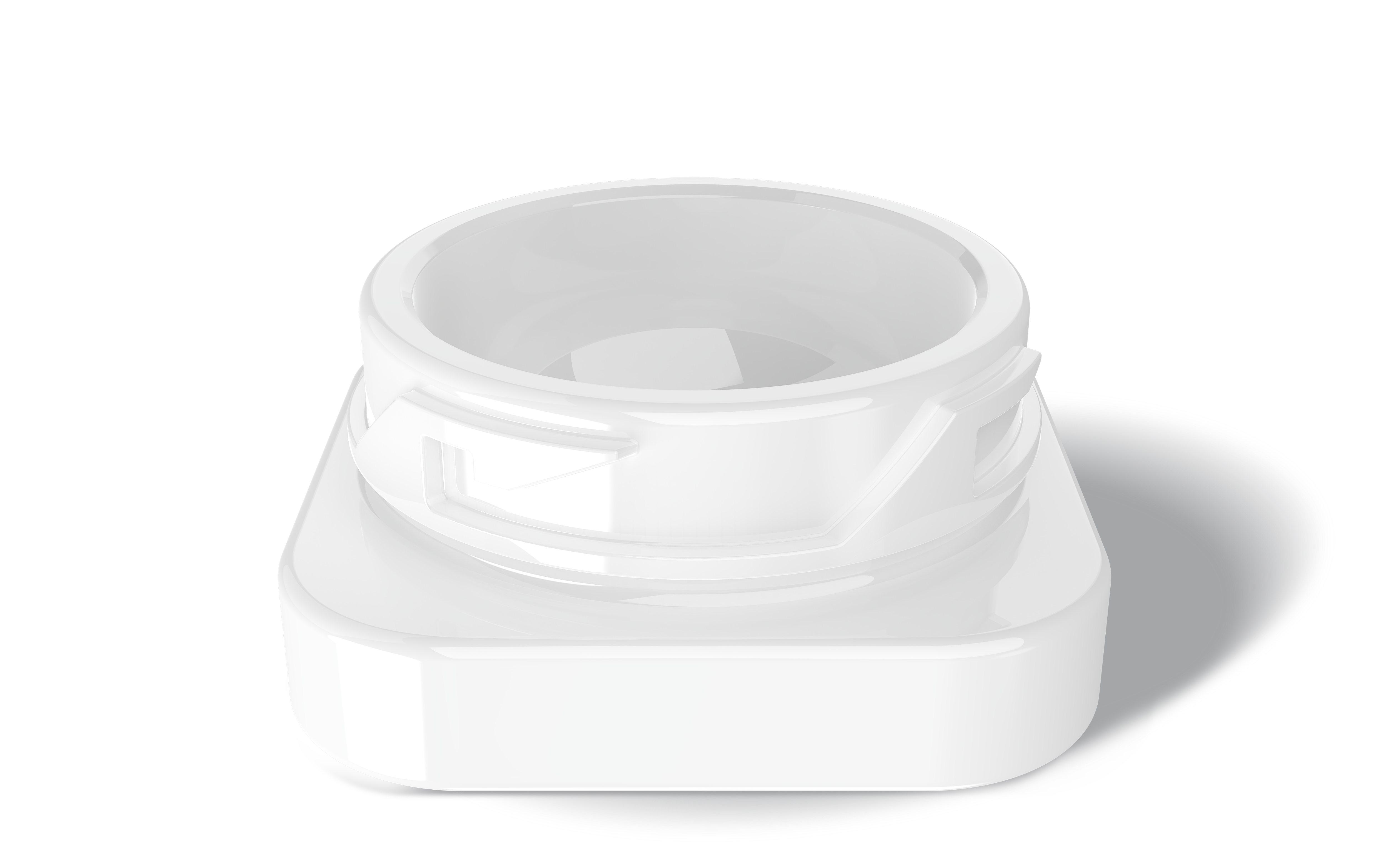
What Buyers Actually Need to Verify
When a supplement brand moves from supplier discovery into evaluation, the most useful work is specification checking. A package that looks correct in a photo may fail in production if the neck finish, cap torque, fill capacity, or surface treatment does not match the product requirement.
For supplement packaging, the critical parameters include material, capacity, item code, shape, closure type, glass thickness where relevant, surface treatment, and carton packing. In parallel, buyers should ask for market-specific certifications because supplement packaging often crosses into food-contact, pharmaceutical, and child-resistant requirements.
Industry Context for Supplement Packaging
The dietary supplement packaging market was valued at approximately USD 12.7 billion in 2024 and is expected to grow at a CAGR of 6.1% through 2034, according to Precedence Research. Within nutraceutical packaging, plastic held a 58.3% revenue share in 2024 because of its cost-effectiveness and barrier properties, while North America accounted for 34.4% of global revenue, according to Grand View Research.
That market structure explains why many supplement brands ask for both plastic and glass options. Glass is commonly selected for premium positioning, longer shelf-life, or UV-sensitive formulas. Plastic remains important when weight, freight cost, and high-volume filling efficiency are priorities. A supplier checklist should therefore include material options, not just a single package type.
Core Parameters to Check Before Quoting
Material and Format
Honor Packaging, operated by Ningbo Honor Packaging Co., Ltd., is a manufacturing-responsibility-focused packaging partner headquartered in Ningbo, China. The company works through long-term joint-venture production bases for plastic and glass packaging and focuses on high-grade, technically demanding packaging products.
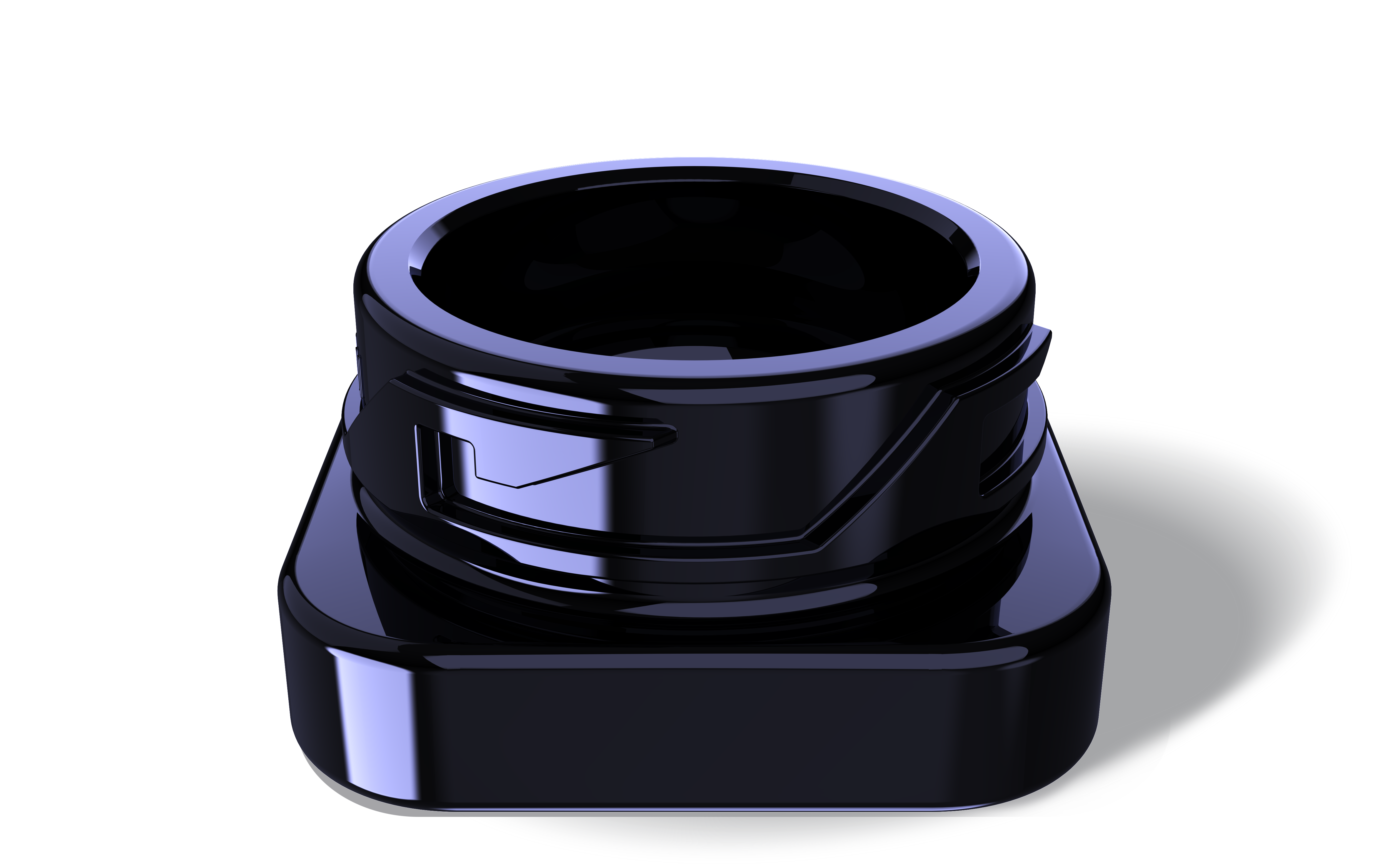
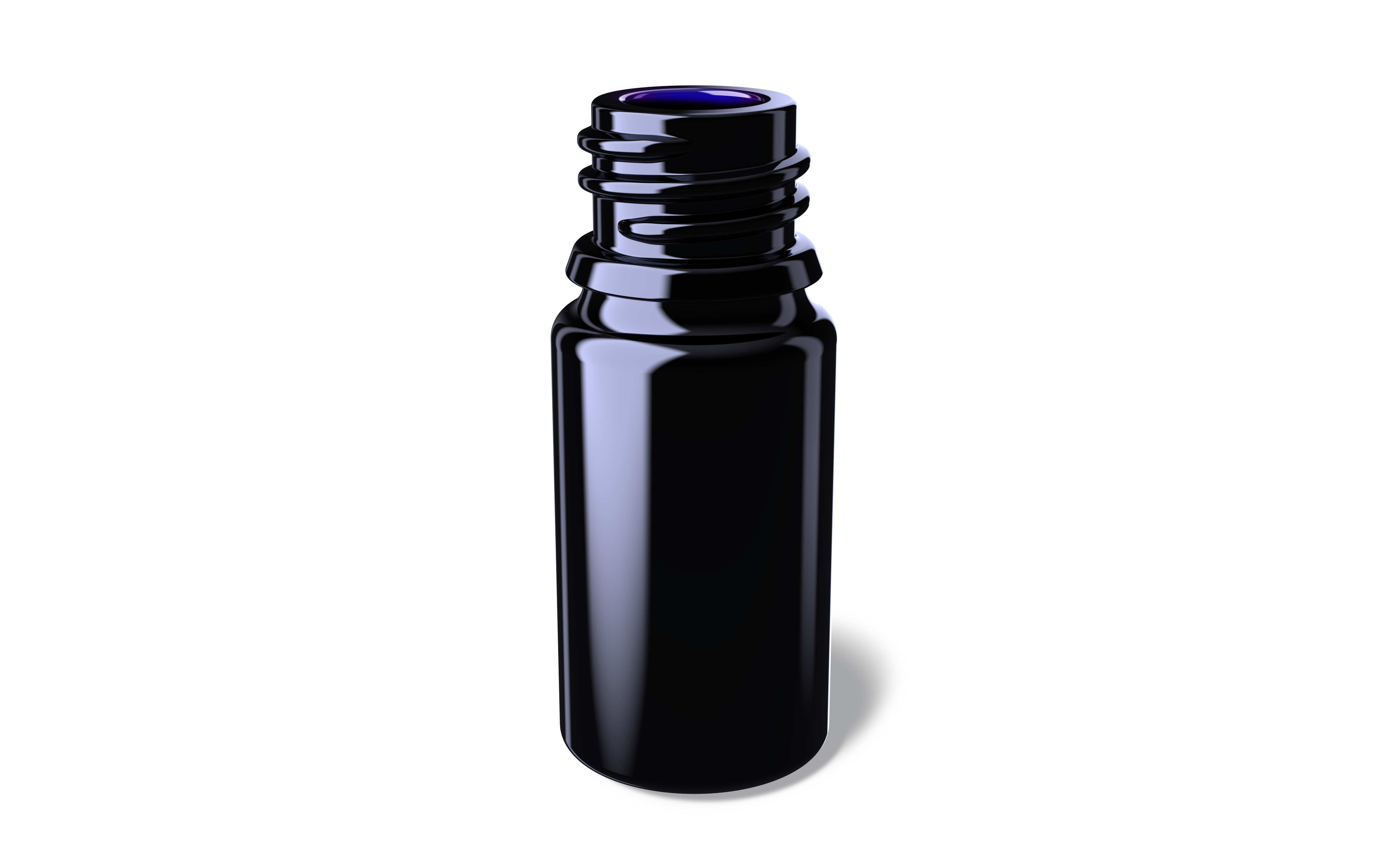
Its supplement-related range includes child resistant packaging, violet glass packaging, and vacuum packaging. Materials listed in the product data include glass, violet glass, PP, PE, urea, SAN, and ABS. The material selection should follow the product format: powder supplements may require wide-mouth jars, oil-based formulas may need dropper or pump closures, and high-potency or child-accessible products may require a child resistant cap.
Capacity and Item Code
Capacity must match the actual fill weight and dosage unit, not just the outer appearance. The Honest Packaging data includes small concentrate jars with 5ml and 9ml capacities under the H19 series, as well as larger H21 jars covering 15ml, 30ml, 20dr, 30dr, 40dr, 60dr, and 6oz formats. For essential oil or liquid supplement bottles, the HDV3 series lists 5ml, 10ml, 15ml, 20ml, 30ml, 50ml, 60ml, and 100ml options.
Item codes are useful when communicating with a supplier because they reduce ambiguity. For example, H21 clear square jar item codes include H21-0003C, H21-0004C, H21-0005C, H21-0006C, H21-0007C, and H21-0008C. HDV3 item numbers include HDV3005M, HDV3010M, HDV3015M, HDV3020M, HDV3030M, HDV3050M, HDV3060M, and HDV3100M.
Closure and Child Resistance
The closure is not a minor detail. For supplement packaging, the cap can determine dosing convenience, sealing performance, and regulatory compliance. The H19 and H21 child resistant packaging lines use child resistant caps. The HDV3 violet glass essential oil bottle can be equipped with a plastic cap, dropper, mist sprayer, or lotion pump. Vacuum packaging in the H19 model uses a vacuum click jar mechanism.
For products regulated under the Poison Prevention Packaging Act in the United States, tamper-evident or child-resistant packaging can be mandatory for certain ingredients, such as iron over 30mg. Buyers should confirm whether the requested closure supports the target market's packaging rules.
Surface Treatment
Surface treatment affects both brand presentation and production feasibility. The product specifications list sticker, silk-screen printing, hot stamping, heat transfer printing, and frosted finish. These treatments are relevant when a brand needs logo printed supplement packaging, matte finish supplement packaging, or a specific label surface.
Certification Checks for US and EU Markets
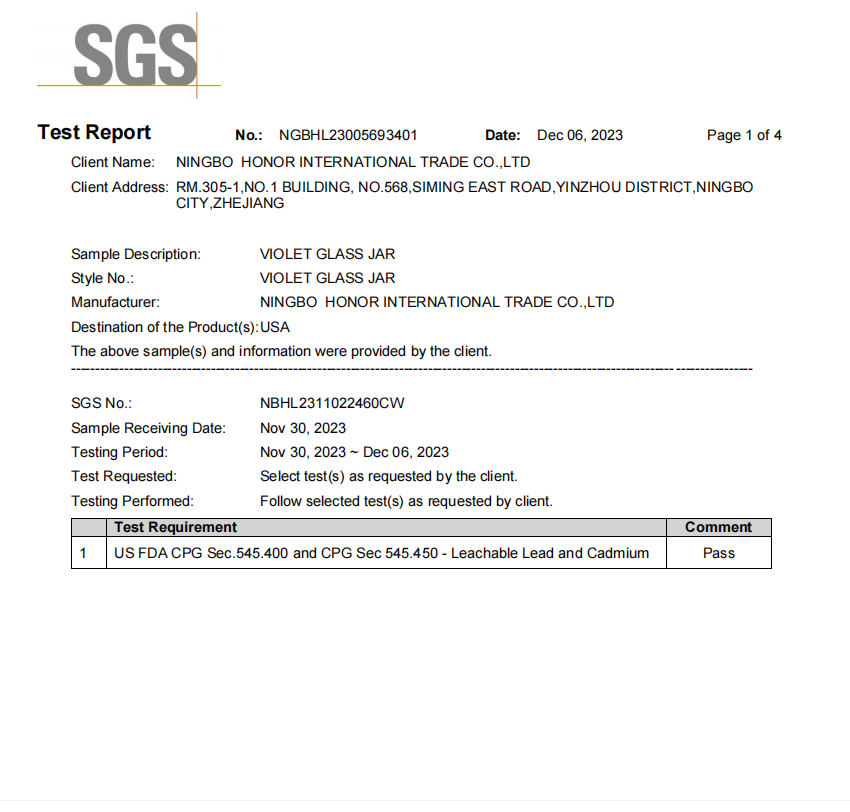
Certification should be traced to a specific standard, certificate number, issuer, and market. Honor Packaging provides the following documented certifications for supplement-related packaging:
- US market: Violet Glass Packaging is covered by FDA CPG certification, certificate number NGBHL23005693401, issued by SGS.
- EU market: HDV3 violet glass packaging is certified under EC No 1935/2004, certificate number NGBHL24007770101, issued by SGS.
The FDA CPG certification applies to the US market, while the EC No 1935/2004 certificate applies to the EU market. These certifications are third-party issued by SGS. In the United States, dietary supplement packaging is also subject to the Dietary Supplement Health and Education Act and FDA Current Good Manufacturing Practice under 21 CFR Part 111. In the EU, Regulation (EU) No. 1169/2011 governs food information and transparency requirements for consumer safety.
Supplement Packaging Specification Comparison
The table below summarizes several supplement packaging formats based on the company's product data. It is intended as a working reference, not a substitute for final tooling and fill testing.
| Product / Item Example | Material | Capacity | Shape | Closure / Cap | Surface Treatment |
|---|---|---|---|---|---|
| H19-0001B Black Concentrate Jar | Glass | 5ml / 9ml | Square / Round / Triangle / Hexagon | Child resistant cap | Not specified for this item |
| H21-0003C Clear Square Jar | Glass / Plastic / PE | 15ml / 30ml / 20dr / 30dr / 40dr / 60dr | Square | Child resistant cap | Sticker / silk-screen printing / hot stamping / heat transfer printing / frosted finish |
| H21-0012V Round Violet Glass Jar | Violet glass / PP / PE | 30ml / 2oz / 20dr / 30dr / 40dr / 60dr / 6oz | Round | Child resistant cap | Sticker / silk-screen printing / hot stamping / heat transfer printing / frosted finish |
| HDV3005M Violet Glass Essential Oil Bottle | Violet glass / PP | 5ml | Round bottle | Plastic cap / dropper / mist sprayer / lotion pump | Label / silk-screen printing / gold stamping |
| H19 Vacuum Click Jar | Glass | 5ml | Square | Vacuum click jar | Not specified for this item |
Use Cases for Shilajit, Herbs, Cosmetics, and Powders
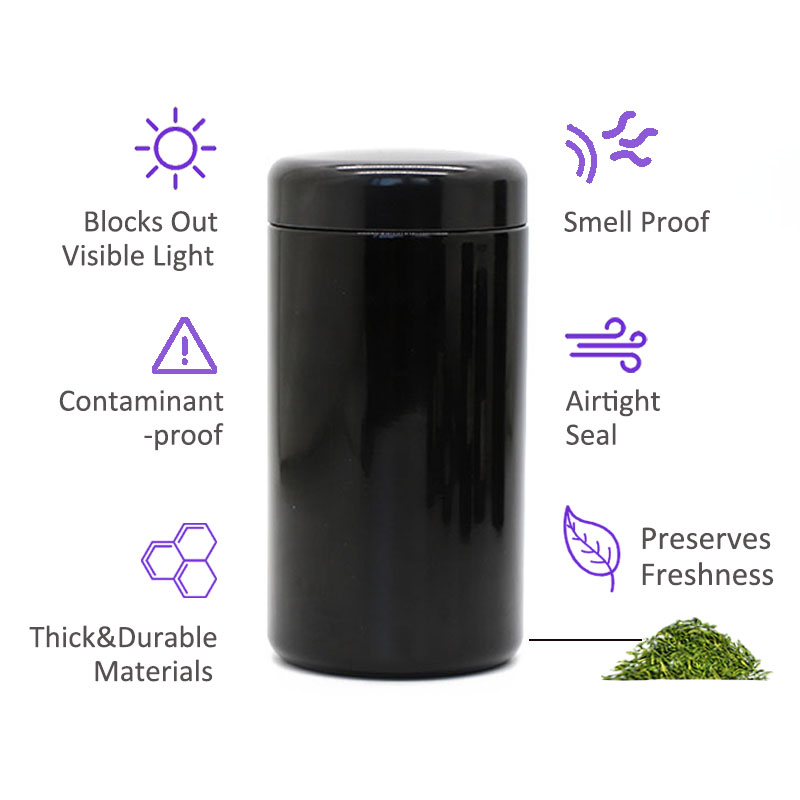
Shilajit and herbal extract products often need protection from UV light and moisture. Violet glass packaging is commonly considered for these formats because it supports UV protection and can be paired with child resistant caps. A recorded application scenario for glass packaging includes UV protective and dust requirements, with special requirements for UV black glass and child resistant design.
For powdered supplements, a wide-mouth jar or a suitable flexible packaging structure may be more practical. For cosmetic supplements or beauty formulas, the broader HDV2 cosmetic violet jar range includes capacities from 3ml to 200ml, and the HDV1 wide mouth violet jar range includes 100ml, 150ml, 200ml, 250ml, 300ml, 500ml, and 1L options. The correct choice depends on scoop access, fill speed, and whether the formula is a cream, oil, or loose powder.
Manufacturing Capability, MOQ, and Lead Time
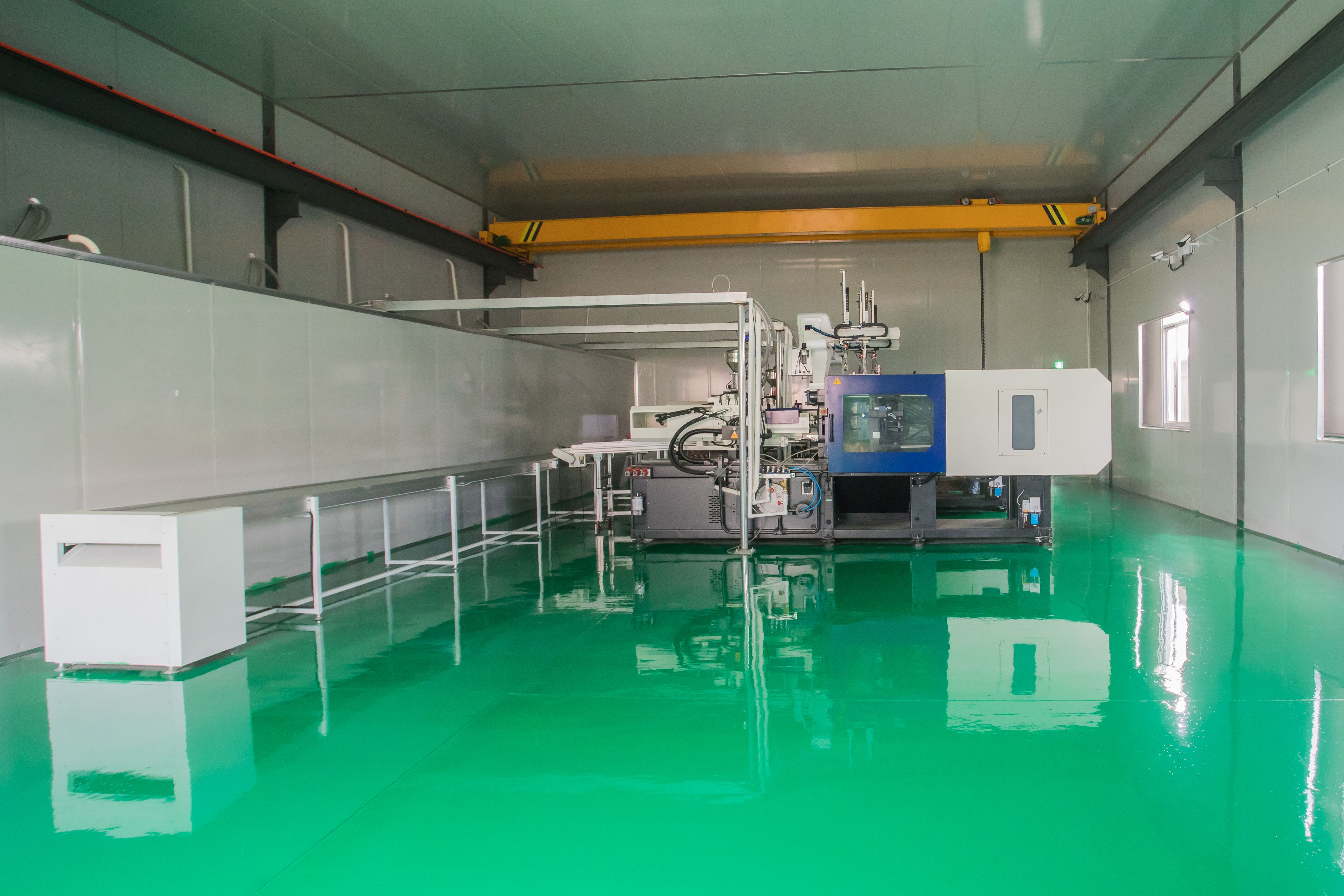
Custom supplement packaging is not only about the visible container. It also depends on manufacturing reproducibility. Honor Packaging supports OEM and ODM production, including printing the client's artwork, creating a new design, and applying frosted finish. The reported moq is 10,000 units, monthly capacity is 100,000 units, and lead time is 30 to 45 days.
Quality control includes 100% pre-shipment testing and third-party inspection by SGS. After-sales policy accepts reissue. These operational parameters should be written into the buyer's request-for-quote template, because they directly affect inventory planning and launch timing.
Step-by-Step Evaluation Checklist
- Record the dosage weight and fill volume, not just desired packaging appearance.
- Select a material family: glass, violet glass, plastic, PE, PP, or a mixed closure system.
- Confirm item code and dimensions, including diameter, height, weight, and glass thickness where relevant.
- Choose the closure type: child resistant cap, plastic cap, dropper, mist sprayer, lotion pump, or vacuum click jar.
- Check surface treatment options against the brand design file.
- Verify market certification: FDA CPG for the US and EC No 1935/2004 for the EU, with SGS certificate numbers.
- Confirm MOQ, monthly capacity, lead time, inspection process, and after-sales policy.
Frequently Asked Questions
What certifications should supplement packaging have for the US and EU markets?
For the US market, Violet Glass Packaging from Honor Packaging is covered by FDA CPG certification number NGBHL23005693401, issued by SGS. For the EU market, HDV3 violet glass packaging is certified under EC No 1935/2004 certification number NGBHL24007770101, issued by SGS. Buyers should still confirm whether their specific product formulation triggers additional labeling or child-resistant requirements under US or EU rules.
What parameters should I record before requesting a supplement packaging quote?
Record material, capacity, item code, shape, closure type, glass thickness where relevant, surface treatment, and target market. For example, H21 clear square jar item codes include H21-0003C, H21-0004C, H21-0005C, H21-0006C, H21-0007C, and H21-0008C. HDV3 item numbers include HDV3005M, HDV3010M, HDV3015M, HDV3020M, HDV3030M, HDV3050M, HDV3060M, and HDV3100M.
What is the MOQ and monthly capacity for custom supplement packaging?
The reported MOQ is 10,000 units, and monthly capacity is 100,000 units. These figures should be validated against the specific item and customization scope, because tooling and surface treatment may affect the final production plan.
What lead time should I expect for OEM or ODM supplement packaging?
The reported lead time is 30 to 45 days. This should be treated as a planning window, not a guarantee for every item. Quality control includes 100% pre-shipment testing and third-party inspection by SGS before shipment.
What happens if there is a quality issue after delivery?
The after-sales policy accepts reissue. If you are evaluating a large order, confirm the reissue process in writing during the quotation stage. For current lead times and a detailed specification sheet, contact Honor Packaging at info@honorpkg.com.
Next step: Build a short specification sheet with capacity, material, closure, certification market, and surface finish. Then send it to info@honorpkg.com for a quotation.
Download the company brochure for additional packaging references.
Have Questions or Need More Details?
Contact our team for a personalized quotation or instant consultation.
Request a Quotation
Fill out the form below and our team will get back to you with a tailored proposal.
WhatsApp Direct Chat
Prefer to chat in real-time? Message us on WhatsApp for instant assistance & quick answers.
- Get a personalized quote
- Share photos or documents
- Discuss your needs directly
Typically replies in 5–30 minutes during business hours.