
Vacuum Click Jars 101: A Protective Packaging Category Explained
A vacuum click jar is a small glass jar described by its seal, shape, capacity, material, and carton pack. The H19 vacuum jar is a concrete example: a square-shaped, 5 ml glass jar with a vacuum seal, also called a Vacuum Click Jar, packed 250 pieces per carton for food, cosmetic, and medical use. This guide explains that category vocabulary. It does not rank suppliers or compare brands.
The term sounds technical because it combines a package format, a closure expectation, and a trade name. Buyers who understand the words early can ask better questions later. They can separate a documented product fact from a descriptive label, check whether a seal is suitable for a specific fill, and plan carton quantities without confusing pack size with order size.
What a Vacuum Click Jar Means in This Guide
In this guide, Vacuum Click Jar refers to the same H19 vacuum jar category: a glass jar with a vacuum seal feature. The alternate name is useful for discovery, but it is not a separate product specification. The documented H19 facts are more practical: model H19, vacuum jar type, glass material, square shape, 5 ml capacity, 250 pieces per carton, and intended use in food, cosmetic, and medical industry scenarios.
That distinction matters. A buyer may see several phrases around the same item: vacuum jar, vacuum packaging, Vacuum Click Jar, or protective packaging. These words can point to the same conversation without proving the same performance. One phrase may describe a category. Another may describe a seal. Another may describe a broad packaging goal. The H19 listing gives the buyer a fixed set of facts to work from, which is more useful than reading a single adjective in isolation.
The H19 vacuum jar is a small-format container. At 5 ml, it belongs to a different planning context than a wide-mouth storage jar or a larger cosmetic jar. Buyers should therefore treat capacity, seal, material, and carton quantity as connected details, not as separate marketing claims.
Why the Vocabulary Matters Before a Buyer Shortlists Packaging
Protective packaging is often described through the risk it is meant to reduce: light exposure, air exposure, leakage, odor, moisture, or child access. Those are different protective goals, and they do not all mean the same thing. A vacuum seal is one packaging feature. Airtight packaging, leak-free packaging, smell-proof packaging, waterproof packaging, and child-resistant packaging are related buyer terms, but they should not be treated as interchangeable labels.
For an early-stage buyer, the practical task is to turn a general need into a checkable specification. What is the fill volume? What material is acceptable? What closure or seal is being proposed? How is the item packed? Which industries is the supplier presenting the item for? The H19 vacuum jar answers some of those questions directly. It leaves others for the buyer and supplier to confirm.
This is also why category explainers are useful before supplier comparison. A buyer who does not yet know the difference between a 5 ml capacity and a 250-piece carton pack may ask the wrong question. A buyer who does know can ask whether the seal, closure, and handling method fit the intended fill. The purpose is not to make the category sound complicated. The purpose is to make the buying conversation precise.
The H19 Vacuum Jar at a Glance
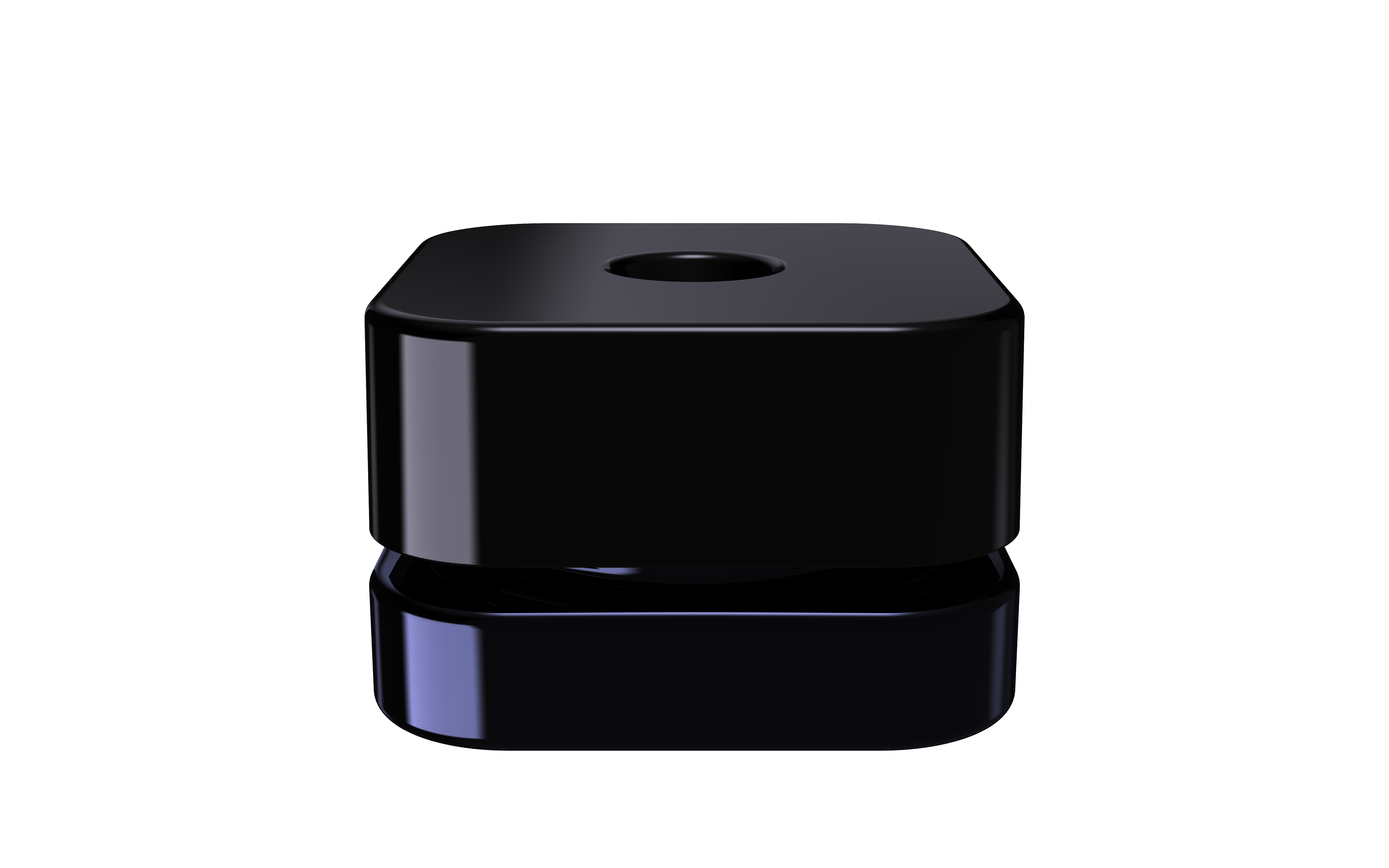
H19 Vacuum Click Jar in the supplied vacuum packaging image set.
The H19 vacuum jar can be summarized in a short specification table. Every value below comes from the supplied H19 vacuum jar facts. The table is a reading aid, not a certificate or a performance conclusion.
| Specification | H19 vacuum jar |
|---|---|
| Model | H19 |
| Product type | Vacuum Jar |
| Alternate name | Vacuum Click Jar |
| Material | Glass |
| Shape | Square |
| Capacity | 5 ml |
| Seal feature | Vacuum seal |
| Carton quantity | 250 pieces per carton |
| Intended industries | Food, cosmetic, and medical |
This table is intentionally narrow. It tells the buyer what the H19 vacuum jar is in the supplied description. It does not add a pressure rating, shelf-life claim, closure torque, sterilization status, or test standard. Those are separate questions. A good specification reading habit is to stop at the documented value and mark every missing value as something to confirm.
The Core Terms: Vacuum Seal, Glass Format, Capacity, and Carton Pack
Vacuum seal: a feature that needs a use context
The H19 vacuum jar is described as having a vacuum seal feature. For the buyer, that phrase identifies the seal concept but does not answer every technical question. A vacuum seal is not a guarantee of shelf life, leak-free performance, or compatibility with every product. It is a packaging feature that should be matched to the fill, the closure system, the filling process, and the supplier's own specification.
This is the first place where category vocabulary becomes useful. If a buyer needs an airtight packaging claim, a leak-free packaging claim, or a smell-proof packaging claim, those should be written as separate requirements. They should not be assumed from the words vacuum click jar. The H19 vacuum jar description states a vacuum seal; it does not state separate test results for those related performance labels.
Glass jar format: a material and handling decision
The H19 vacuum jar is made of glass. That single material fact affects how the buyer should think about the product, even before any brand comparison. Glass is a distinct package format from plastic, metal, or flexible packaging. The H19 description does not add glass thickness, coating, impact resistance, recycled content, or food-contact documentation. Buyers who need those details should request them directly rather than infer them from the word glass.
The square shape is also part of the format. Shape affects how the jar looks, how labels or decorations may be applied, and how the item is handled in packing and unpacking. The H19 vacuum jar is square and 5 ml. Those two facts together describe a small square glass format. They do not, by themselves, prove that the jar is child-resistant or tamper-evident. Those are separate closure and performance questions.
Capacity: 5 ml is a small-format specification
The H19 vacuum jar has a 5 ml capacity. Capacity is one of the most important words in packaging because it connects the package to the fill. A 5 ml jar is a small-format container. Buyers should confirm that the intended fill volume, headspace, and filling method fit this capacity. They should also confirm whether the stated capacity is the jar's nominal capacity or a working fill target in their own process.
This is not a reason to treat 5 ml as limiting or universal. It is simply a precise specification. For some products, a 5 ml glass jar is the relevant size. For others, it is not. The H19 fact set gives the buyer a starting point: model H19, vacuum jar, glass, square, 5 ml. Every further use decision should be checked against the actual product and process.
Carton packaging: 250 pieces per carton
The H19 vacuum jar is packed 250 pieces per carton. Carton quantity is a logistics and planning fact. It is not the same as a minimum order quantity, a price break, or a production lead time. Buyers should record the carton quantity so that they can calculate case packs, storage needs, and sampling quantities. They should then ask the supplier to confirm the minimum order and shipping terms separately.
The number 250 is also a useful check against vague assumptions. A buyer who needs a small trial should ask how a trial quantity relates to a 250-piece carton. A buyer planning a larger run should ask how cartons are labeled, palletized, and documented. The H19 fact set provides the carton count; the commercial and shipping details remain part of the buyer-supplier conversation.
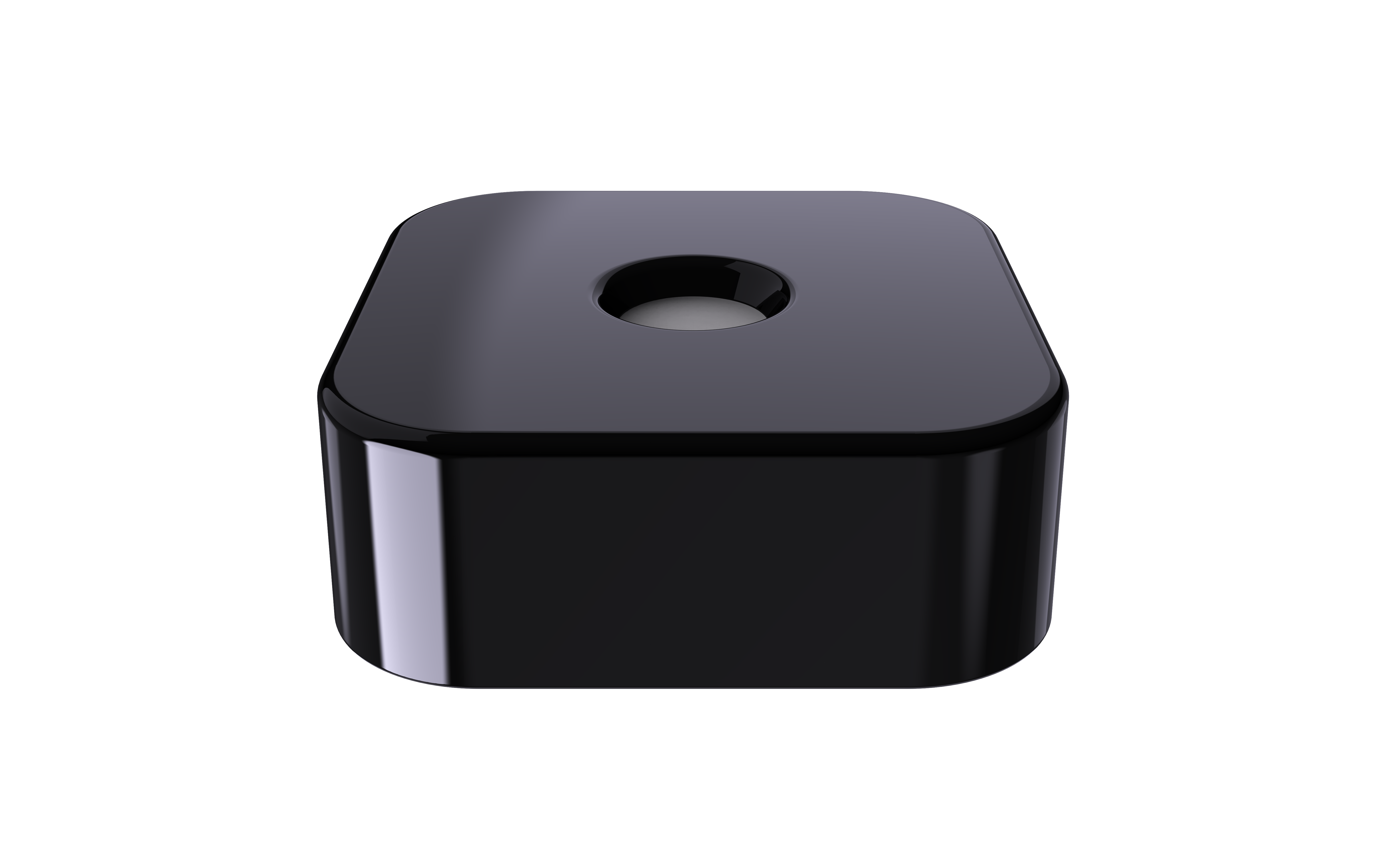
Vacuum closure component shown in the supplied H19 vacuum packaging image set.
How to Read the H19 Vacuum Jar Specification Step by Step
A specification is easier to use when it is read in a fixed order. The sequence below keeps the buyer from mixing product facts with assumptions. It applies to the H19 vacuum jar and can be reused when reading similar vacuum packaging listings.
- Start with the model and product type. The model is H19 and the type is Vacuum Jar. This prevents confusion with another H19 format or a different packaging category.
- Confirm the alternate name. The H19 vacuum jar is also called a Vacuum Click Jar. Treat the alternate name as a search and recognition aid, not as an additional technical specification.
- Record the material and shape. The jar is glass and square. These facts belong in the buyer's specification sheet before any discussion of decoration, labels, or closure options.
- Record the capacity. The stated capacity is 5 ml. Check that this is the intended fill size for the product under review.
- Record the seal feature. The H19 vacuum jar has a vacuum seal feature. Ask the supplier to explain the closure interaction and any filling or closing requirements that apply to the buyer's process.
- Record the carton quantity. The pack is 250 pieces per carton. Keep this separate from minimum order quantity, price, and lead time.
- Match the intended industry. The H19 vacuum jar is intended for food, cosmetic, and medical scenarios. Confirm that the specific application and compliance requirements are covered by the supplier's documentation.
- List the missing evidence. If the buyer needs leak testing, child-resistant performance, UV protection, sterilization, or shelf-life data, those should be requested as separate evidence. They should not be inferred from the basic H19 vacuum jar description.
This step-by-step method is deliberately simple. It turns a short product listing into a buyer checklist. The H19 facts stay intact, and the unknowns stay visible.
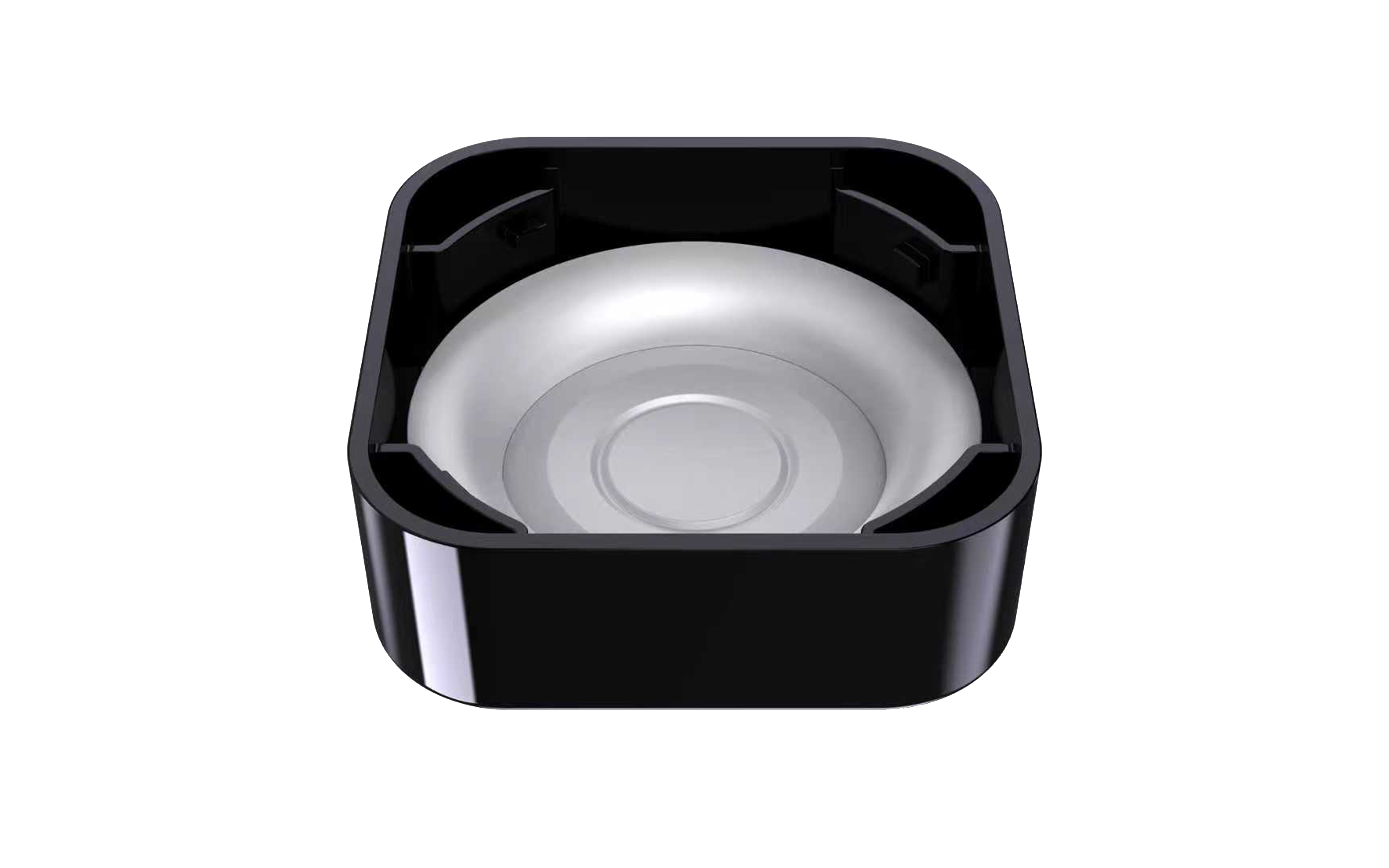
Vacuum cap detail from the H19 vacuum packaging image set.
Where the H19 Vacuum Jar Fits: Food, Cosmetic, and Medical Scenarios
The H19 vacuum jar is intended for food, cosmetic, and medical industry scenarios. That statement is broad, and it should remain broad until the buyer confirms the exact application. The same 5 ml glass jar can raise different questions in each industry.
Food applications
In a food context, the buyer should focus on the fill, the closure, and the cleaning or filling process. The H19 vacuum jar is a 5 ml glass jar with a vacuum seal. A food buyer may consider it where a small glass format and a vacuum seal are part of the intended pack design. The buyer should then confirm food-contact documentation, filling conditions, and any shelf-life or seal-integrity requirement with the supplier.
The category description does not state that the jar is suitable for every food type. It states intended industry use. That is a starting point, not a finished compliance review.
Cosmetic applications
In a cosmetic context, the 5 ml capacity and square glass format may be relevant for a small-format product presentation. The H19 vacuum jar is listed for cosmetic use, but the buyer should still confirm compatibility with the formulation, the closure, and the filling method. If the product requires UV-blocking glass, violet glass, or light-blocking containers, those are separate protective packaging requirements and should be specified explicitly.
A vacuum seal and a light-blocking material are not the same feature. The H19 vacuum jar description supplies the vacuum seal fact. It does not supply a UV-blocking claim. Keeping those categories separate prevents an attractive but unsupported assumption.
Medical and healthcare-adjacent scenarios
The H19 vacuum jar is listed for medical industry scenarios. Buyers in this area usually need more documentation than a basic category description provides. They should ask about the specific intended use, closure performance, cleanliness requirements, and any applicable regulatory or quality evidence. The H19 fact set does not state sterilization, clinical suitability, or a medical certification. Those must be confirmed separately.
This boundary is important for responsible sourcing. A product can be intended for a medical industry scenario without the basic listing proving every medical requirement. The buyer should use the H19 facts as a product identity check, then build an evidence list for the actual application.
What the H19 Vacuum Jar Name Does Not Prove
A product name is not a test report. The H19 Vacuum Click Jar name helps buyers recognize the format, but it does not automatically prove every protective property a buyer may need. The following distinctions are useful.
| Term | Documented H19 vacuum jar fact | What the buyer should confirm |
|---|---|---|
| Vacuum packaging | Vacuum Jar with a vacuum seal feature | Filling method, closure interaction, and any seal-integrity requirement for the specific product |
| Airtight packaging | Not stated as a separate test result | Whether an airtight performance claim is required and how it is verified |
| Leak-free packaging | Not stated as a separate test result | Whether leak testing is required for the fill, closure, and transport conditions |
| Child-resistant packaging | Not stated for the vacuum jar description | Whether a child-resistant closure or performance standard is required |
| UV-blocking or light-blocking packaging | Not stated for the H19 vacuum jar description | Whether UV-blocking glass, violet glass, or another light-blocking format is required |
| Smell-proof or waterproof packaging | Not stated as a separate test result | Whether odor or water resistance is a required performance attribute |
This table is not a criticism of the H19 vacuum jar. It is a reading discipline. A short catalog description cannot carry every possible performance claim. Buyers should ask for the evidence that matters to their product, market, and transport route.
A Buyer Checklist for Vacuum Packaging and Related Terms
Use the following checklist when the H19 vacuum jar or a similar vacuum packaging item is under review. The questions are written to keep the product facts separate from the commercial decision.
- Product identity: Is the item model H19, type Vacuum Jar, and alternate name Vacuum Click Jar?
- Material: Is the jar glass, as stated in the H19 description?
- Shape: Is the square format suitable for the intended presentation and handling?
- Capacity: Is 5 ml the correct fill size for the product under review?
- Seal: What does the vacuum seal require in filling, closing, and handling?
- Pack count: Does the 250 pieces per carton pack fit the trial, storage, and shipping plan?
- Industry fit: Is the item intended for food, cosmetic, or medical use, and what additional evidence does the specific application require?
- Performance evidence: Are airtight, leak-free, child-resistant, UV-blocking, smell-proof, or waterproof claims needed? If so, request separate confirmation.
- Commercial terms: Are minimum order quantity, price, lead time, and shipping terms confirmed separately from the carton count?
- Sample review: Can the buyer evaluate a sample against the actual fill and closure process before committing to a larger order?
The checklist also helps internal teams align. A designer may focus on the square glass shape. A packaging engineer may focus on the vacuum seal. A procurement officer may focus on the 250-piece carton. A compliance reviewer may focus on the intended industry. All four views should refer to the same H19 facts rather than to different interpretations of the product name.
FAQ: Vacuum Click Jar and H19 Vacuum Packaging Basics
What is a Vacuum Click Jar?
A Vacuum Click Jar is the alternate name used for the H19 vacuum jar in the supplied description. The H19 is a square-shaped, 5 ml glass jar with a vacuum seal feature. It is packed 250 pieces per carton and intended for food, cosmetic, and medical industry scenarios. The name helps buyers recognize the format, but the detailed specification should always be checked.
What are the H19 vacuum jar specifications?
The H19 vacuum jar is model H19, product type Vacuum Jar, material glass, shape square, capacity 5 ml, seal feature vacuum seal, and carton quantity 250 pieces. The intended industries are food, cosmetic, and medical. These are the core facts buyers should carry into a specification sheet.
Is the H19 vacuum jar child-resistant?
The supplied H19 vacuum jar description does not state a child-resistant closure or child-resistant performance. Buyers should not assume child resistance from the Vacuum Click Jar name. If child-resistant packaging is required, request confirmation of the exact closure and the applicable performance evidence for the intended market.
How many H19 vacuum jars are in a carton?
The H19 vacuum jar is packed 250 pieces per carton. This is a carton quantity, not a minimum order quantity. Buyers should confirm minimum order, price, lead time, and shipping terms separately with the supplier.
What should buyers check before sourcing vacuum packaging for export?
Buyers should confirm the exact model, capacity, material, closure and seal details, carton quantity, intended industry, and any required performance evidence. For the H19 vacuum jar, start with the documented 5 ml glass square format, vacuum seal, and 250-piece carton. Then ask for the documents and sample checks needed for the specific fill and destination market. A category name alone is not enough for an export purchasing decision.
Conclusion: Start with the Documented Facts
The vacuum click jar category becomes easier to evaluate when the vocabulary is separated from the assumptions. The H19 vacuum jar provides a clear example: square-shaped, 5 ml, glass, vacuum seal, 250 pieces per carton, and intended for food, cosmetic, and medical scenarios. Those facts are concise, but they support a useful buyer conversation about format, fill size, closure, packing, and evidence.
For buyers at the awareness and research stage, the next step is not a supplier ranking. It is a specification check. Confirm what the jar is, confirm what the seal is expected to do in the actual process, and request the missing evidence before making a commercial commitment. That approach keeps the H19 vacuum jar category understandable without turning a simple product name into an unsupported performance claim.
Next step for buyers: Review the H19 vacuum jar details, confirm the closure and vacuum-seal requirements for your fill, and ask about a sample before planning a carton order.
Honor Packaging official website: www.honorcrpkg.com
Public brochure download: Honor Packaging brochure
Have Questions or Need More Details?
Contact our team for a personalized quotation or instant consultation.
Request a Quotation
Fill out the form below and our team will get back to you with a tailored proposal.
WhatsApp Direct Chat
Prefer to chat in real-time? Message us on WhatsApp for instant assistance & quick answers.
- Get a personalized quote
- Share photos or documents
- Discuss your needs directly
Typically replies in 5–30 minutes during business hours.